
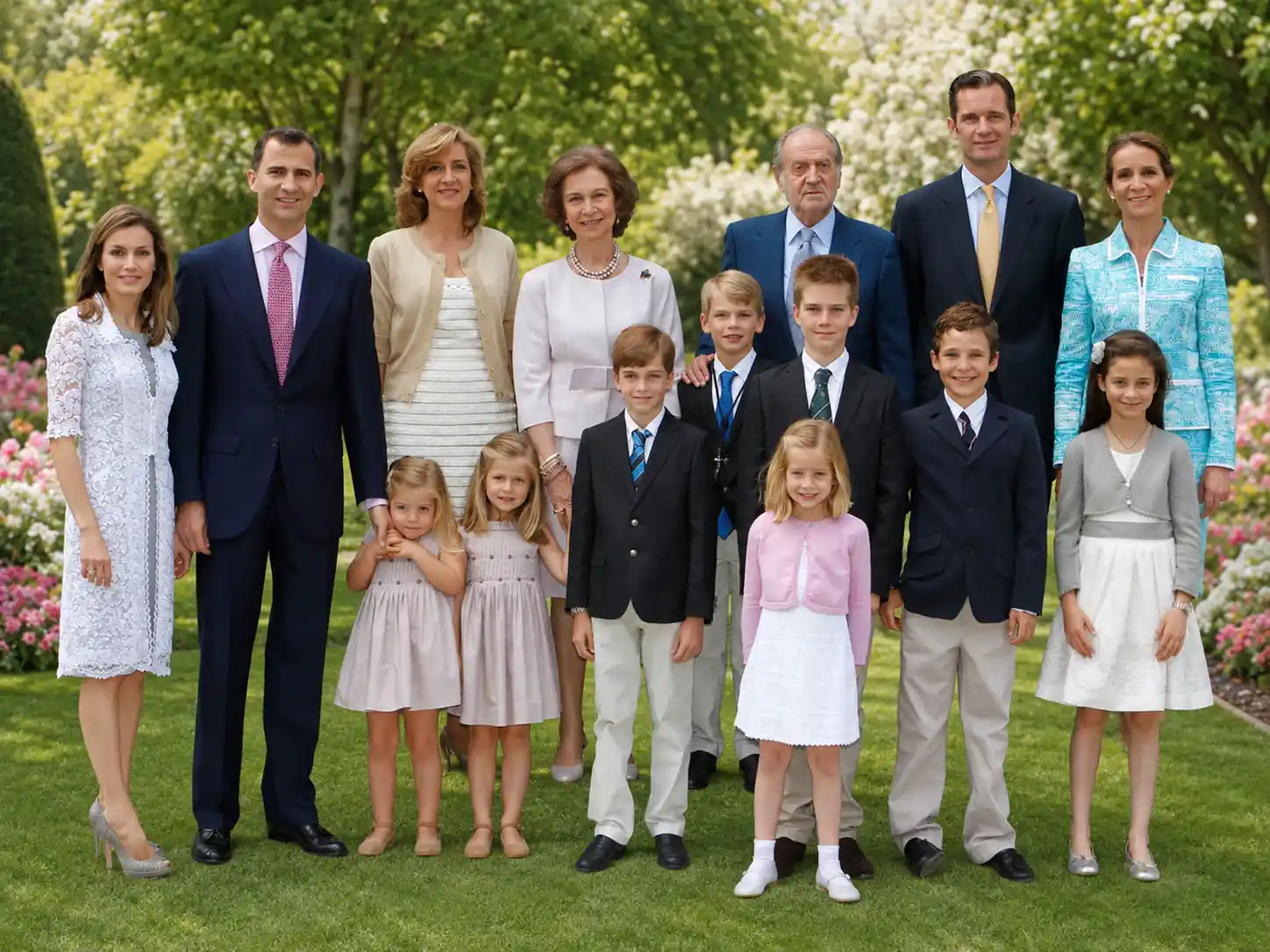
The Spanish royal family remains one of Europe’s most recognized monarchies, blending centuries-old traditions with a modern constitutional role. Led by King Felipe VI, the family represents Spain at home and abroad while serving as a symbol of national unity. Although the monarchy no longer governs the country, it continues to play an important ceremonial and constitutional role in Spanish public life.
Today, the royal household is closely associated with King Felipe VI, Queen Letizia, Princess Leonor, and Infanta Sofía. Their public appearances, charitable work, military commitments, and international engagements keep the family in the spotlight both within Spain and across the world. Understanding the Spanish royal family requires exploring its history, current members, constitutional responsibilities, and future direction.
The History of the Spanish Royal Family
Origins of the Spanish Monarchy
The roots of Spain’s monarchy stretch back many centuries, evolving through different royal houses and political transformations. The modern Spanish royal family belongs to the House of Bourbon, a dynasty that has played a central role in Spanish history since the early eighteenth century.
Over time, the monarchy experienced periods of political upheaval, including exile, restoration, and constitutional reform. Despite these changes, the institution survived and adapted to Spain’s evolving democratic system. The monarchy’s ability to modernize has been a key factor in its continued existence.
The Return of the Monarchy
Following the death of General Francisco Franco in 1975, King Juan Carlos I became a central figure in Spain’s transition to democracy. His reign helped guide the country toward constitutional government and parliamentary democracy.
The modern monarchy became largely ceremonial, with political power resting in elected institutions. This constitutional framework remains in place today and defines the role of the royal family in contemporary Spain.
The Transition to King Felipe VI
In June 2014, King Juan Carlos I abdicated the throne, and his son, King Felipe VI, became monarch. Since taking the throne, Felipe VI has emphasized transparency, institutional stability, and public service.
His reign represents a new chapter for the monarchy, focusing on modernization while preserving royal traditions that remain important to Spanish cultural identity.
Current Members of the Spanish Royal Family
King Felipe VI
King Felipe VI is the current head of state of Spain and has served as monarch since 2014. Born in Madrid in 1968, he is the son of King Juan Carlos I and Queen Sofía. As king, he performs constitutional duties, represents Spain internationally, and serves as commander-in-chief of the armed forces.
His public image is often associated with professionalism, constitutional neutrality, and dedication to public service. These qualities have helped strengthen the monarchy’s standing during periods of political and social change.
Queen Letizia
Queen Letizia brought a modern perspective to the royal family. Before marrying Felipe in 2004, she worked as a respected journalist and television news presenter. Her professional background made her one of the few European queens to come from outside traditional aristocratic circles.
As queen, she is heavily involved in cultural, educational, and health-related initiatives. She regularly represents Spain at official events and international engagements while maintaining a strong public presence.
Princess Leonor and Infanta Sofía
Princess Leonor, Princess of Asturias, is the heir to the Spanish throne. As the eldest daughter of King Felipe VI and Queen Letizia, she is expected to become Spain’s future queen. Leonor has increasingly taken on public duties while also completing military training and higher education preparations.
Her younger sister, Infanta Sofía, is second in the line of succession. Although she does not hold the title of Princess of Asturias, she regularly participates in official events and represents the next generation of the monarchy.
The Role of the Spanish Royal Family Today
Constitutional Responsibilities
Spain is a constitutional monarchy, meaning the king serves as head of state while elected officials govern the country. The monarch does not create laws or control government policy. Instead, the Crown performs constitutional functions that support the democratic system.
These responsibilities include formally appointing governments, sanctioning legislation, hosting foreign leaders, and representing Spain during state occasions.
National and International Representation
One of the most visible functions of the royal family is diplomatic representation. Members of the royal household attend international ceremonies, state visits, and official celebrations around the world. Their presence often helps strengthen Spain’s relationships with other nations.
Recent international engagements have highlighted the family’s continued relevance in global diplomacy and cultural exchange. Public appearances involving the king, queen, and their daughters frequently attract significant media attention.
Support for Charitable and Cultural Causes
The royal family actively supports charities, educational initiatives, scientific programs, and cultural institutions throughout Spain. Their patronage helps raise awareness for important social issues and encourages public engagement with charitable organizations.
This aspect of royal work often receives less publicity than state ceremonies but remains a significant part of the family’s public mission.
Princess Leonor: The Future of the Spanish Monarchy
Preparing for the Throne
As heir apparent, Princess Leonor is undergoing extensive preparation for her future responsibilities. Her education includes military training, academic studies, and participation in official royal duties. These experiences are designed to prepare her for eventual leadership as Spain’s queen.
Her growing visibility reflects a carefully planned transition that allows the public to become familiar with the next generation of the monarchy.
Military Training and Public Service
Leonor’s military education has attracted considerable attention. She has completed training across different branches of Spain’s armed forces and recently became the first member of the Spanish royal family to qualify as a paratrooper.
These experiences mirror the preparation undertaken by previous heirs and reinforce the constitutional relationship between the Crown and the armed forces.
A New Generation of Royal Leadership
Many observers view Leonor as a symbol of the monarchy’s future. Her youth, education, and increasing public responsibilities position her as one of Europe’s most prominent future monarchs.
As Spain continues to evolve socially and politically, her future reign may further shape the monarchy’s role in the twenty-first century.
Public Perception and Challenges
Balancing Tradition and Modernity
Like many European royal families, Spain’s monarchy faces the challenge of remaining relevant in a modern democratic society. The institution must balance historical traditions with contemporary expectations regarding transparency and public accountability.
King Felipe VI has frequently emphasized modernization and institutional responsibility as part of this effort.
Media Attention and Public Scrutiny
The royal family operates under constant public and media scrutiny. Official appearances, family milestones, and international visits often receive extensive coverage from both Spanish and international media.
This visibility creates opportunities to strengthen public support while also increasing pressure on the family to maintain high standards of conduct and transparency.
Frequently Asked Questions
Q: Who is the current king of Spain?
A: The current king is King Felipe VI. He ascended to the throne on June 19, 2014, following the abdication of his father, King Juan Carlos I.
Q: Who will be the next monarch of Spain?
A: Princess Leonor, Princess of Asturias, is the heir apparent and first in the line of succession. She is expected to become Spain’s future queen.
Q: What is the role of the Spanish royal family?
A: The family performs constitutional, ceremonial, diplomatic, and representative duties. They do not govern Spain but serve as symbols of national unity and continuity.
Q: Is Queen Letizia from a royal background?
A: No. Before joining the royal family, Queen Letizia worked as a journalist and television news presenter. Her marriage to Felipe in 2004 brought a modern and non-aristocratic background to the monarchy.
Q: How many children do King Felipe VI and Queen Letizia have?
A: They have two daughters: Princess Leonor, the heir to the throne, and Infanta Sofía, who is second in the line of succession.
Conclusion
The Spanish royal family occupies a unique place in modern Spain, combining centuries of royal heritage with a contemporary constitutional role. Under King Felipe VI and Queen Letizia, the monarchy has focused on modernization, public service, and institutional stability. At the same time, Princess Leonor and Infanta Sofía represent the future of the Crown and the next generation of royal leadership.
As Spain continues to evolve, the monarchy’s ability to balance tradition with modern expectations will remain central to its future. Whether viewed through history, politics, or culture, the Spanish royal family continues to be an important symbol of Spanish national identity and continuity.
Read About hinge and bracket