
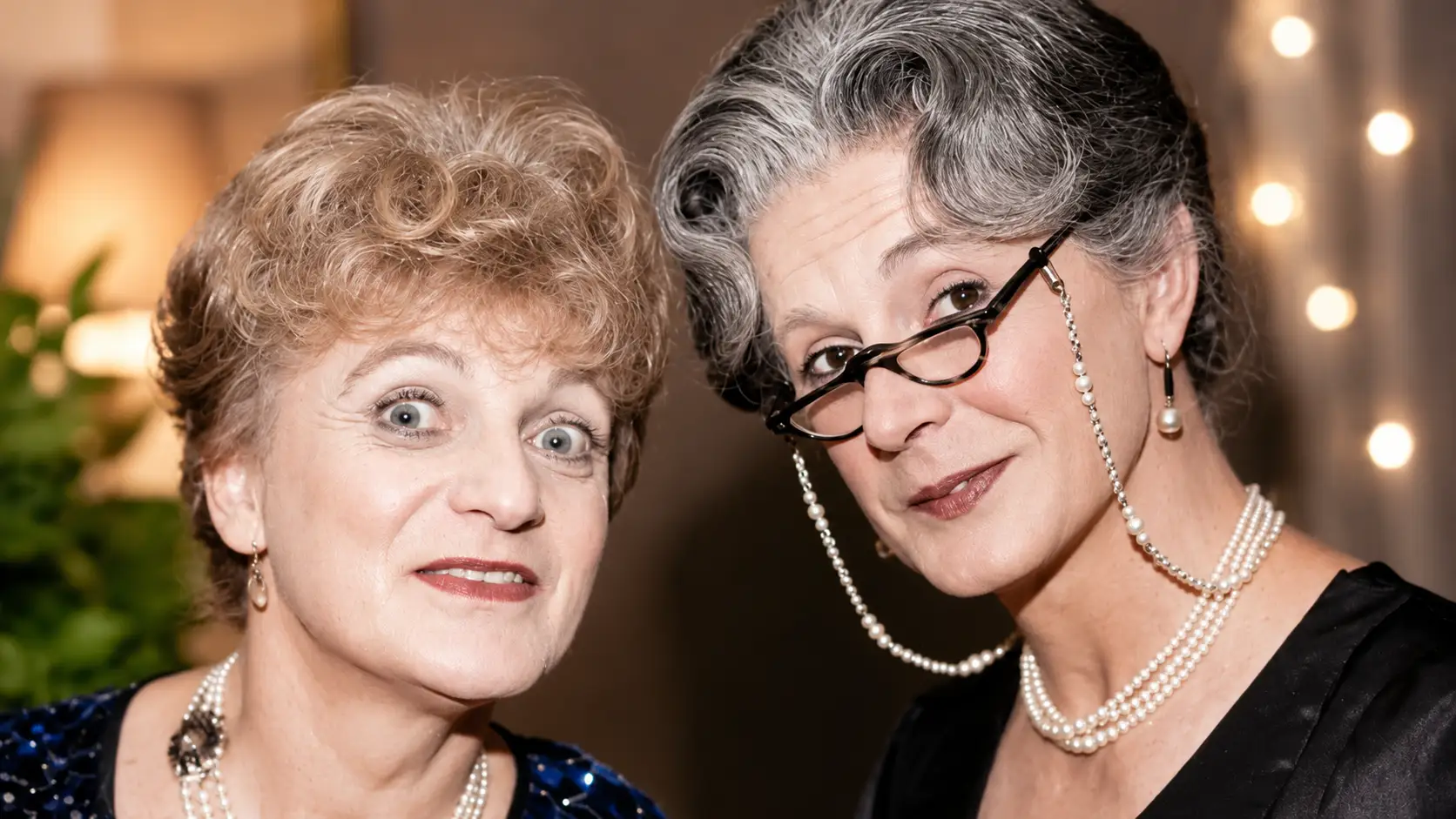
The search term “hinge and bracket females” often refers to the female characters portrayed by the legendary British comedy act Hinge and Bracket. While many people assume these were real women performers, the truth is more interesting. Hinge and Bracket were fictional female characters played by two talented male entertainers who became famous for their unique blend of music, comedy, and theatrical performance.
The duo gained widespread popularity across British television, radio, and stage productions during the 1970s and 1980s. Their characters were so convincing that some audience members believed they were genuine elderly female musicians. This article explores who the Hinge and Bracket females were, why they became cultural icons, and the lasting legacy they left behind.
Who Were the Hinge and Bracket Females?
Dr. Evadne Hinge
One half of the duo was Dr. Evadne Hinge, a fictional elderly musician portrayed by Scottish performer George Logan. The character was presented as an educated, intellectual pianist with a refined personality and a love for classical music.
Evadne often acted as the calmer and more rational member of the partnership. Her piano performances and witty observations helped create the sophisticated atmosphere that became a trademark of the act. Logan remained deeply committed to the character, frequently appearing in public interviews while staying in role.
Dame Hilda Bracket
The second member of the pair was Dame Hilda Bracket, portrayed by English performer Patrick Fyffe. Hilda was known for her flamboyant personality, theatrical stories, and exaggerated confidence regarding her singing abilities.
The contrast between Hilda’s dramatic behavior and Evadne’s reserved nature created much of the comedy. Audiences enjoyed their playful disagreements, humorous memories, and affectionate friendship, which made the characters feel remarkably real.
Were Hinge and Bracket Real Women?
No. The Hinge and Bracket females were fictional characters performed by male actors specializing in female impersonation. However, their approach differed significantly from traditional drag performances of the era.
Rather than emphasizing glamour or parody, the performers created believable personalities with detailed backstories, musical talent, and distinct identities. Their realistic portrayals helped them appeal to mainstream audiences and contributed to their long-lasting popularity.
The Origins of Hinge and Bracket
How the Partnership Began
The partnership began when Patrick Fyffe and George Logan met while working in London’s entertainment scene. Initially, they experimented with musical comedy concepts before developing the idea of two eccentric elderly ladies with backgrounds in classical music.
What started as a stage act gradually evolved into a fully developed fictional world. The performers created extensive histories for their characters, complete with stories about past performances, famous acquaintances, and village life.
Building Convincing Female Characters
One reason audiences connected with the Hinge and Bracket females was the depth of character development. Evadne and Hilda were not simply costumes or comedic sketches. They had personalities, habits, opinions, and long fictional histories.
The performers rarely broke character during public appearances. This commitment strengthened the illusion and allowed fans to immerse themselves fully in the world of Hinge and Bracket.
A Different Kind of Comedy
During a period when many comedy acts relied on quick jokes or broad stereotypes, Hinge and Bracket focused on character-driven humor. Their performances combined:
- Classical music
- Musical theatre
- Storytelling
- Wordplay
- Gentle satire
- Character comedy
This unique combination helped them stand out within British entertainment and attract a diverse audience.
Television, Radio, and Stage Success
The Popularity of Dear Ladies
One of the duo’s best-known television projects was the BBC sitcom Dear Ladies. The series followed the lives of Evadne and Hilda in the fictional village of Stackton Tressel.
The show expanded the characters beyond their stage performances and allowed viewers to explore their daily adventures, friendships, and musical activities. Its success further cemented their place in British comedy history.
Radio Performances
The Hinge and Bracket females also enjoyed considerable success on radio. Programs such as The Random Jottings of Hinge and Bracket introduced their humor to listeners across the United Kingdom.
Radio proved to be an ideal medium for the pair. Their witty conversations, storytelling abilities, and musical performances translated naturally to audio formats, helping them reach an even wider audience.
Live Theatre and Concerts
Beyond television and radio, the duo remained popular live performers. Their stage shows blended comedy with musical performances and often featured songs from operas, musical theatre productions, and classic British entertainment traditions.
The chemistry between the two performers was a major factor in their success. Audiences appreciated the natural interaction between Evadne and Hilda, which felt spontaneous despite being carefully crafted.
Why the Hinge and Bracket Females Became So Popular
Strong Character Development
Many comedy acts create memorable jokes, but few create memorable characters. Evadne and Hilda felt like complete individuals with their own quirks, ambitions, and histories.
Their fictional world was detailed enough that fans often discussed the characters as if they were real people. This emotional connection helped sustain the act for decades.
Musical Talent
Unlike many comedy performers, both George Logan and Patrick Fyffe possessed genuine musical ability. Their performances often featured classical pieces, theatrical songs, and sophisticated arrangements.
The combination of authentic musicianship and comedy gave audiences something distinctive that was rarely seen elsewhere in entertainment.
Timeless British Humor
The humor of Hinge and Bracket relied heavily on personality, storytelling, and witty dialogue rather than topical references. As a result, many performances remain enjoyable decades after they were first broadcast.
Their style appealed to viewers who appreciated gentle, character-focused comedy rather than more aggressive forms of humor.
The Legacy of Hinge and Bracket
End of the Partnership
The partnership effectively ended following the death of Patrick Fyffe in 2002. George Logan chose not to continue the act without his longtime collaborator, believing that the success of Hinge and Bracket depended on the relationship between both characters.
Continued Appreciation
Even years after their final performances, recordings of Hinge and Bracket remain popular among fans of classic British comedy. Television episodes, radio programs, and stage recordings continue to introduce new audiences to the beloved characters.
The duo is often remembered as one of Britain’s most distinctive comedy acts, combining female impersonation, music, and storytelling in a way that remains unique.
Influence on Performance Comedy
Their success demonstrated that female impersonation could move beyond simple parody and become a platform for rich character creation. Many performers and historians regard Hinge and Bracket as important figures in the evolution of British theatrical comedy.
Frequently Asked Questions
Q: Who were the Hinge and Bracket females?
A: The Hinge and Bracket females were fictional characters named Dr. Evadne Hinge and Dame Hilda Bracket. They were portrayed by performers George Logan and Patrick Fyffe and became famous through television, radio, and stage performances.
Q: Were Hinge and Bracket actual women?
A: No. The characters were played by male performers specializing in female impersonation. However, the portrayals were highly realistic and focused on character development rather than parody.
Q: What television show featured Hinge and Bracket?
A: Their most famous television series was Dear Ladies, a BBC sitcom centered on the lives of Evadne Hinge and Hilda Bracket in the fictional village of Stackton Tressel.
Q: Why were Hinge and Bracket so successful?
A: Their popularity came from a unique combination of strong character work, musical talent, witty dialogue, and believable performances. Audiences connected with the personalities of Evadne and Hilda as much as the comedy itself.
Q: What happened to Hinge and Bracket?
A: The act ended after Patrick Fyffe’s death in 2002. George Logan later explained that the partnership’s success depended on both performers, making it impossible to continue in its original form.
Conclusion
The phrase “hinge and bracket females” refers to two of the most memorable fictional women in British comedy: Dr. Evadne Hinge and Dame Hilda Bracket. Created and performed by George Logan and Patrick Fyffe, these characters combined musical talent, theatrical storytelling, and gentle humor to win audiences across television, radio, and live theatre.
Their enduring appeal lies in the authenticity of the performances. Rather than relying on simple impersonation, the creators built fully realized personalities that felt genuine and relatable. Decades after their peak popularity, the Hinge and Bracket females remain a beloved part of British entertainment history and a fascinating example of character-driven comedy at its finest.
Read About bob marley children