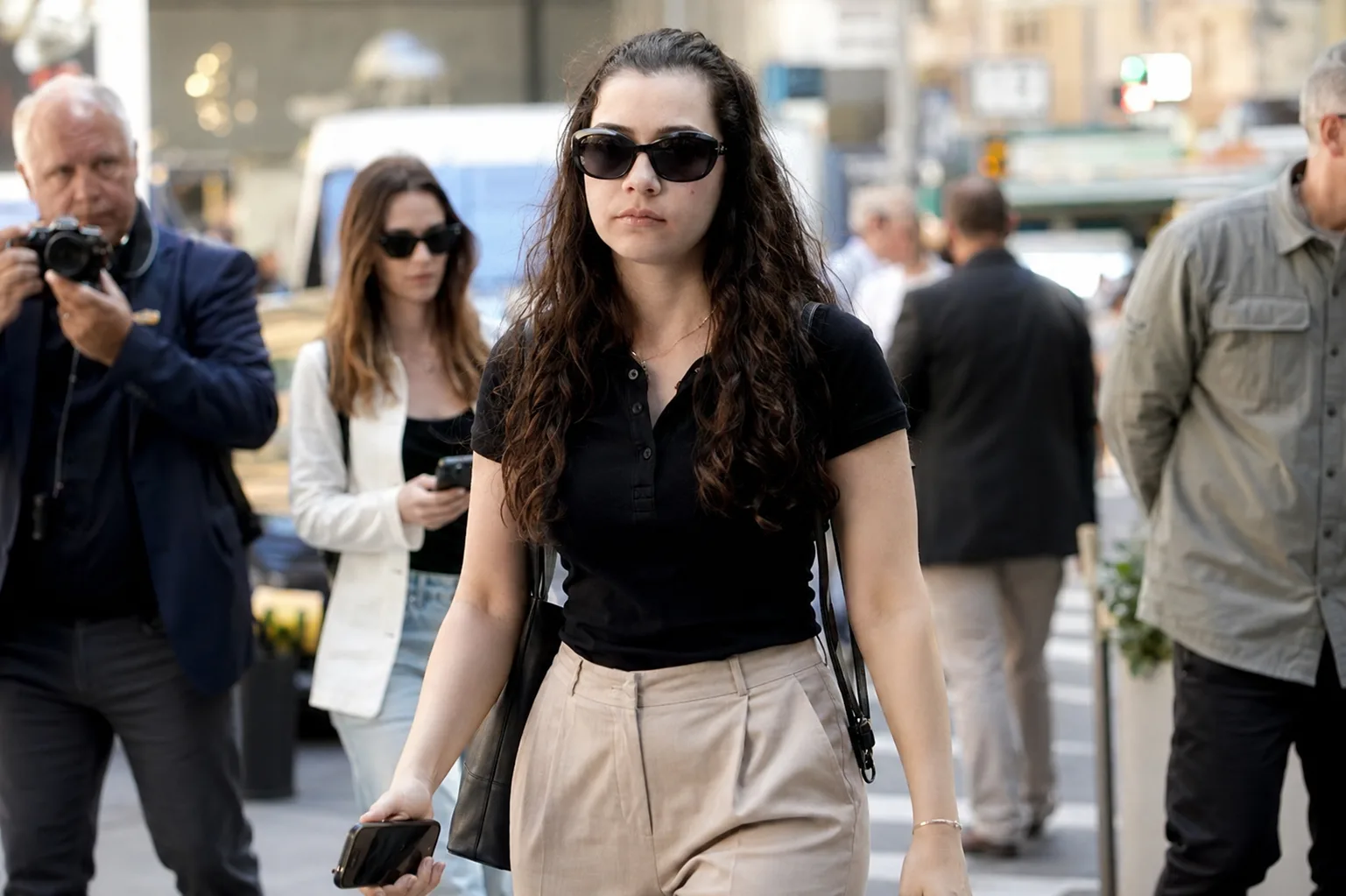
Noelia Castillo Ramos became internationally known after her highly publicized legal battle over the right to receive euthanasia in Spain. Her story sparked widespread discussions about medical ethics, personal autonomy, mental health, disability, and the country’s euthanasia law. While her case generated strong opinions from supporters and critics alike, it also highlighted the human realities behind complex legal and medical decisions.
This article explains who Noelia Castillo Ramos was, her background, the circumstances that brought her case into the public spotlight, the legal proceedings surrounding her request for euthanasia, and why her story remains significant in Spain and beyond.
Who Is Noelia Castillo Ramos? A Short Biography
| Field | Information |
|---|---|
| Full Name | Noelia Castillo Ramos |
| Date of Birth | 14 November 2000 |
| Age | 25 (at the time of her death) |
| Birthplace | Barcelona, Catalonia, Spain |
| Nationality | Spanish |
| Known For | Landmark euthanasia case in Spain |
| Date of Death | 26 March 2026 |
| Place of Death | Sant Pere de Ribes, Catalonia, Spain |
Early Life and Personal Background
Noelia Castillo Ramos was born in Barcelona, Spain, on 14 November 2000. According to publicly available reports, her childhood was marked by financial hardship and family instability. Following her parents’ separation, she experienced difficult living conditions that later became part of her own public testimony during interviews related to her case.
She also received psychiatric care from a young age. Public records indicate she was diagnosed with obsessive-compulsive disorder (OCD) and borderline personality disorder (BPD). During her teenage years, she spent time under social services before reaching adulthood. These details became relevant during later court proceedings because questions about her decision-making capacity were raised by those opposing her euthanasia request.
The Events That Changed Her Life
In October 2022, Castillo survived a suicide attempt after jumping from a building. Although she lived, the injuries left her with permanent paraplegia, chronic physical pain, and significant neurological complications.
She later described living with continuous suffering that affected nearly every aspect of daily life. Her medical condition, combined with ongoing psychological distress, became central to her request for medical assistance in dying under Spanish law.
During interviews, Castillo also spoke publicly about experiences of sexual violence. Some of these allegations were personal testimony and were not the subject of criminal convictions or judicial findings. As a result, responsible reporting distinguishes between her own accounts and independently verified facts.
Spain’s Euthanasia Law and Her Request
Spain legalized euthanasia through the Organic Law Regulating Euthanasia, which came into force in 2021. The law allows eligible adults experiencing unbearable and irreversible suffering to request medical assistance in dying after undergoing a detailed medical and legal review process.
In April 2024, Noelia Castillo Ramos formally applied for euthanasia.
Following assessments by the relevant medical authorities in Catalonia, her request was approved. However, the procedure did not take place immediately because it became the subject of an extended legal dispute.
The Legal Battle
Opposition From Her Father
The case attracted nationwide attention after Castillo’s father challenged the authorization for euthanasia. Supported by a legal advocacy organization, he argued that his daughter’s psychiatric history affected her ability to make such an irreversible decision.
The legal challenge delayed the procedure for nearly two years while several courts reviewed the matter.
Court Decisions
Spanish courts repeatedly examined whether Castillo possessed the legal capacity to make her own medical decisions.
Ultimately, judicial authorities concluded that the legal requirements established under Spanish law had been satisfied. Higher courts upheld her right to proceed with euthanasia after reviewing medical evaluations and legal arguments presented by both sides. The dispute also reached the European Court of Human Rights, which did not block the procedure.
Why the Case Became So Significant
The Noelia Castillo Ramos case became one of Spain’s most closely followed euthanasia cases for several reasons.
First, she was among the youngest people in Spain to receive euthanasia after the legalization of the practice.
Second, the prolonged legal dispute highlighted questions about whether family members should be able to delay or prevent an adult’s legally authorized medical decision.
Third, the case reignited broader public debates surrounding disability rights, mental illness, informed consent, patient autonomy, and the ethical responsibilities of healthcare professionals.
The discussion extended well beyond Spain, attracting international media coverage and commentary from legal experts, disability advocates, medical professionals, religious organizations, and ethicists.
Public Debate and Media Attention
Public opinion surrounding Castillo’s case remained deeply divided.
Supporters argued that the courts respected her autonomy after extensive medical evaluations confirmed she met Spain’s legal criteria. They viewed the outcome as an affirmation of individual rights under existing legislation.
Critics questioned whether sufficient alternatives for physical rehabilitation, psychological care, or social support had been exhausted before euthanasia was carried out. Others raised broader ethical objections to euthanasia regardless of the circumstances.
The case therefore became a focal point for ongoing discussions about how societies balance compassion, patient choice, disability rights, and medical ethics.
Her Final Days
Following the conclusion of the legal proceedings, Noelia Castillo Ramos received euthanasia on 26 March 2026 at a healthcare facility in Sant Pere de Ribes, Catalonia.
Her death occurred after the completion of Spain’s legally prescribed medical protocol. The event was widely reported by Spanish and international media, reflecting the exceptional public interest generated by the case.
Lasting Impact
Although the legal process ended with Castillo’s death, her case continues to influence discussions about euthanasia in Spain.
Legal scholars frequently reference the case when examining the interaction between patient rights and third-party legal challenges. Medical professionals have also discussed how the case illustrates the importance of comprehensive evaluations for patients requesting assisted dying.
More broadly, the story has encouraged ongoing conversations about mental health care, long-term disability support, trauma-informed treatment, and the practical implementation of euthanasia laws.
Frequently Asked Questions
Who was Noelia Castillo Ramos?
Noelia Castillo Ramos was a Spanish woman whose request for euthanasia became one of the country’s most significant legal cases after Spain legalized medical assistance in dying. Her case received international attention because of a lengthy court battle over her right to proceed under Spanish law.
Why was Noelia Castillo Ramos famous?
She became widely known because her euthanasia request led to a major legal dispute involving multiple Spanish courts. The case raised important questions about patient autonomy, disability, mental health, and the interpretation of Spain’s euthanasia legislation.
What medical condition did Noelia Castillo Ramos have?
After surviving a suicide attempt in 2022, Castillo was left with permanent paraplegia, chronic pain, and neurological complications. She also had previously documented psychiatric diagnoses that were discussed during legal proceedings.
When did Noelia Castillo Ramos die?
Noelia Castillo Ramos died on 26 March 2026 after receiving euthanasia in accordance with Spain’s legal process following nearly two years of legal challenges.
Why is her case still discussed today?
Her case remains important because it tested how Spain’s euthanasia law should be applied when family members oppose a patient’s decision. It continues to be referenced in discussions about medical ethics, disability rights, legal autonomy, and end-of-life care.
Conclusion
Noelia Castillo Ramos’ story is remembered not only because of its legal outcome but also because it highlighted some of the most challenging ethical questions in modern healthcare. Her case brought together issues of chronic suffering, disability, mental health, personal autonomy, and the responsibilities of courts and medical professionals under Spain’s euthanasia law. Regardless of differing opinions on assisted dying, her experience has become an important reference point in discussions about patient rights and end-of-life decision-making. As debates continue in Spain and elsewhere, the case of Noelia Castillo Ramos remains a significant chapter in the evolving conversation about medical ethics and individual choice.
Read About : betty broderick now