
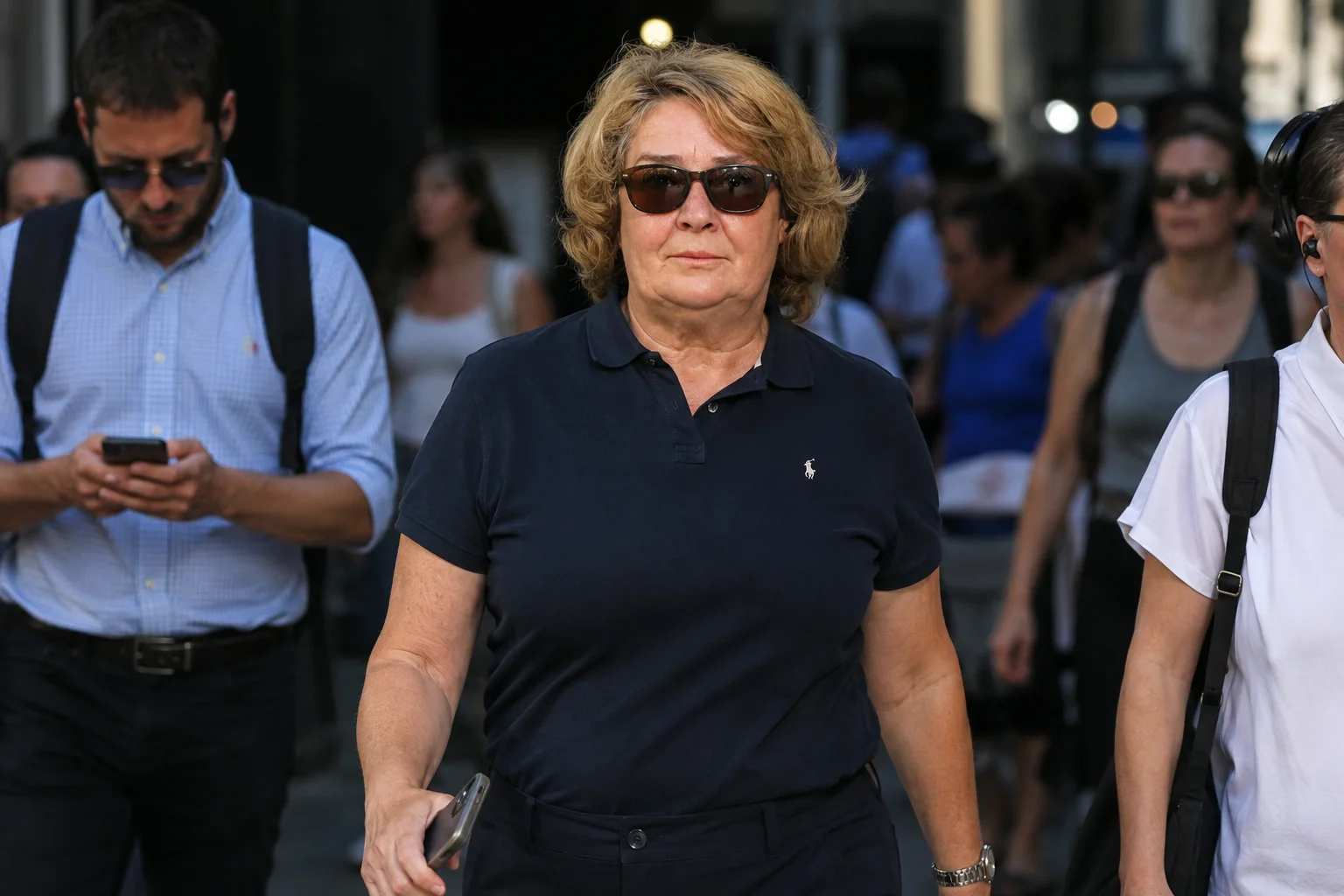
The story behind Betty Broderick now continues to draw public interest decades after one of America’s most widely discussed true crime cases. Elisabeth Anne “Betty” Broderick became nationally known after the 1989 murders of her ex-husband, Daniel Broderick III, and his second wife, Linda Kolkena. Her bitter divorce, highly publicized trials, and years of media attention inspired books, documentaries, and television dramatizations.
As of 2026, however, there has been a significant update. Betty Broderick died while serving her life sentence in California. This article explains her life, the crimes that made headlines, her years in prison, parole decisions, and why her case remains one of the most debated true crime stories in the United States.
Who Is Betty Broderick? A Short Biography
| Field | Details |
|---|---|
| Full Name | Elisabeth Anne Broderick (née Bisceglia) |
| Date of Birth | November 7, 1947 |
| Age at Death | 78 |
| Birthplace | New York City, New York, United States |
| Nationality | American |
| Profession | Former homemaker; later known for a high-profile criminal case |
| Education | College of Mount Saint Vincent |
| Famous For | The 1989 murders of Daniel Broderick III and Linda Kolkena |
| Marital Status | Divorced |
| Former Spouse | Daniel T. Broderick III |
| Children | Four surviving children |
| Conviction | Two counts of second-degree murder |
Betty Broderick Now: The Latest Update
For many years, people searching for “Betty Broderick now” wanted to know whether she was still incarcerated or had been released. The answer changed in 2026.
Betty Broderick died on May 8, 2026, while serving a sentence of 32 years to life at the California Institution for Women. According to California corrections officials, she had recently been transferred to a medical facility because she required a higher level of care before passing away from natural causes.
Her death ended decades of public speculation about whether she would ever be granted parole. She had previously been denied parole in both 2010 and 2017, with officials concluding that she had not demonstrated sufficient remorse or accepted full responsibility for the murders.
How Betty Broderick Became a National Figure
Before becoming associated with one of America’s most infamous murder cases, Betty Broderick lived what many considered a conventional suburban life.
Born Elisabeth Anne Bisceglia in 1947, she grew up in a Catholic family in New York. While attending college, she met Daniel T. Broderick III, who was studying medicine. The couple married in 1969 and eventually moved to California, where Daniel changed careers, earning a law degree before becoming a successful medical malpractice attorney.
As Daniel’s legal career flourished, Betty primarily focused on raising their children and supporting the family.
Their marriage eventually deteriorated after Daniel became involved with Linda Kolkena, who worked as his legal assistant. The divorce that followed became lengthy, emotionally charged, and highly contentious, involving disputes over finances, custody, and property.
The 1989 Murders
On November 5, 1989, Betty Broderick entered the San Diego home where Daniel Broderick and Linda Kolkena were sleeping.
Using a revolver, she fatally shot both of them inside their bedroom. She later turned herself in to police and never denied being the shooter.
During her trials, the defense argued that years of emotional abuse and a bitter divorce had driven her to act. Prosecutors, however, maintained that the killings were planned and deliberate. The first trial ended with a hung jury, but a second trial concluded with convictions on two counts of second-degree murder in 1991. She received a sentence of 32 years to life in prison.
Life in Prison
Betty Broderick spent more than three decades behind bars.
Throughout her incarceration, she remained one of the most recognizable inmates in California because documentaries, television programs, and books continued to revisit her story. Public opinion often remained divided. Some viewed her as someone pushed beyond emotional limits during an extraordinarily hostile divorce, while others believed the murders were calculated and unjustifiable.
Prison records show that she became eligible for parole but was repeatedly denied release. During parole hearings, officials expressed concern that she continued to minimize her responsibility for the crimes.
Why Was Betty Broderick Denied Parole?
Betty Broderick first appeared before the parole board in 2010.
Although she had served the minimum portion of her sentence, commissioners concluded that releasing her would not be appropriate. One major factor discussed during the hearings was her perceived lack of remorse and her continued belief that the murders were rooted in years of mistreatment during her marriage.
A second parole hearing in 2017 produced the same result. The board again denied her request and scheduled her next eligibility date for 2032. She ultimately died before that hearing could occur.
Did Betty Broderick Ever Admit Regret?
One reason the case remained controversial was Betty Broderick’s own perspective.
Over the years, she argued that she had been subjected to coercive control and emotional abuse during her marriage. She maintained that these experiences shaped the circumstances leading to the killings.
Parole officials, however, concluded that she had not fully acknowledged responsibility for murdering two people. That disagreement became a central reason her release requests were rejected.
Why the Case Still Attracts Attention
The Broderick case remains one of the most discussed domestic crime stories in modern American history.
Its lasting impact stems from several factors:
- A bitter and highly public divorce.
- Questions surrounding emotional abuse and coercive control.
- Conflicting public opinions about justice and accountability.
- Extensive media coverage over several decades.
- Television dramatizations that introduced the case to new audiences.
The story reached another generation through documentaries and the television series Dirty John: The Betty Broderick Story, which renewed public interest years after the original trial.
Betty Broderick’s Legacy
Although Betty Broderick became known primarily because of the murders, discussions about her case often extend beyond the crime itself.
Legal scholars, psychologists, and journalists have examined the case when discussing domestic conflict, divorce litigation, emotional abuse, and criminal responsibility. The differing perspectives surrounding her actions continue to generate debate, even though the legal proceedings ended decades ago.
Her death in 2026 closed the final chapter of her prison sentence but not the broader public conversation surrounding one of America’s most notorious homicide cases.
Frequently Asked Questions
Is Betty Broderick still alive?
No. Betty Broderick died on May 8, 2026, while serving her life sentence in California. She was 78 years old and had recently been transferred to a medical facility due to health concerns.
Why wasn’t Betty Broderick released from prison?
She was denied parole in both 2010 and 2017. Parole commissioners concluded that she had not shown sufficient remorse or fully accepted responsibility for the murders, making her unsuitable for release.
How many children did Betty Broderick have?
Betty and Daniel Broderick had five children, although one son died shortly after birth. Four of their children survived into adulthood.
What sentence did Betty Broderick receive?
Following her 1991 conviction on two counts of second-degree murder, Betty Broderick was sentenced to 32 years to life in prison. She remained incarcerated until her death in 2026.
Why is Betty Broderick’s story still famous?
The case combined a contentious divorce, allegations of emotional abuse, a double murder, and two highly publicized trials. It has been the subject of numerous books, documentaries, and television adaptations, making it one of the best-known true crime stories in the United States.
Conclusion
The search for Betty Broderick now reflects enduring public fascination with a case that continues to spark debate about justice, accountability, divorce, and domestic conflict. While many people once wondered whether she would ever leave prison, that question was ultimately answered in 2026 when she died while serving her life sentence. Her story remains a significant chapter in American true crime history, remembered not only for the shocking murders but also for the complex legal and social issues that surrounded the case. Even decades later, it continues to prompt discussion about the intersection of personal tragedy, criminal law, and public perception.
Read About : james wilkie broderick