
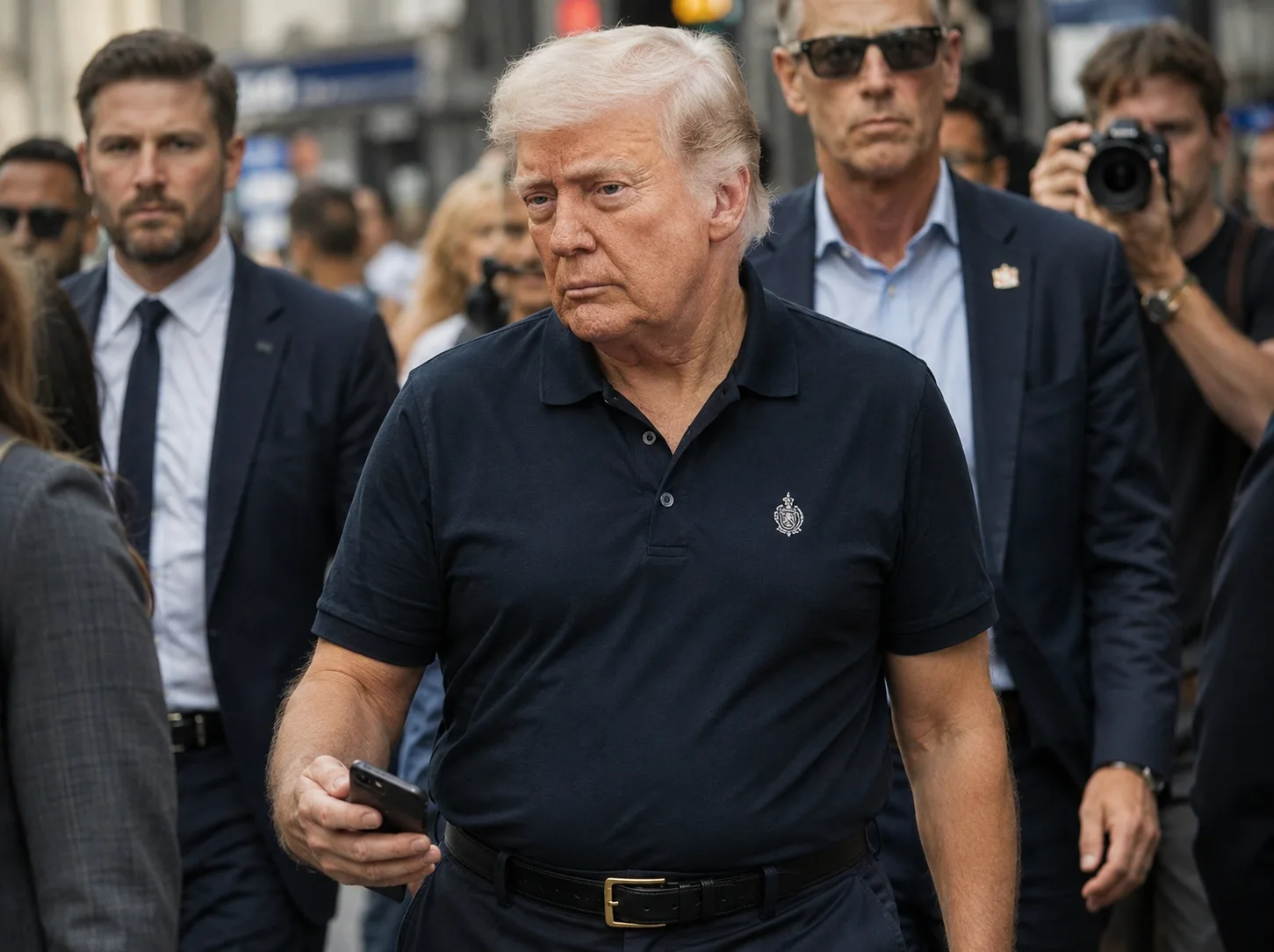
Public interest in Trump approval remains high because presidential approval ratings often shape political narratives, influence policy debates, and affect election strategies. Whether supporters view his presidency favorably or critics express concerns about his leadership, approval ratings provide a measurable snapshot of public opinion at a given moment.
In 2026, multiple national polling organizations have reported that Donald Trump’s approval rating is below water, meaning more Americans disapprove of his job performance than approve of it. While the exact numbers vary depending on methodology and sample selection, the broader trend shows approval ratings that have generally declined from the beginning of his second term. Understanding these ratings requires looking beyond the headlines to examine how approval is measured, what drives public opinion, and why different polls sometimes produce different results.
What Is Trump Approval?
Understanding Presidential Approval Ratings
A presidential approval rating represents the percentage of people who approve of the way a president is handling their job. Polling organizations regularly survey Americans and ask whether they approve or disapprove of the president’s performance.
Approval ratings are widely used because they offer a simple indicator of public sentiment. While they do not predict election outcomes by themselves, they often influence media coverage, political fundraising, legislative negotiations, and campaign strategies.
Different polling organizations use varying methodologies. Some survey all adults, while others focus on registered voters or likely voters. These differences can produce slightly different results, which is why political analysts often look at polling averages rather than a single survey.
Why Approval Ratings Matter
Presidential approval ratings have historically served as an important measure of political strength. Presidents with higher approval ratings often find it easier to advance policy priorities and maintain party unity.
Low approval ratings, on the other hand, can create challenges for both the president and members of their political party. Lawmakers facing competitive elections may distance themselves from unpopular policies, while opponents use weak approval numbers as evidence of voter dissatisfaction.
For this reason, approval ratings are closely monitored by political strategists, journalists, and voters alike.
How Polls Measure Public Opinion
Polling firms use statistical sampling techniques to estimate how the broader population feels. Respondents are selected from different demographic groups, and results are weighted to reflect national population characteristics.
Major polling organizations typically report margins of error and explain their methodology. Surveys can be conducted online, by telephone, or through mixed methods. Factors such as question wording, timing, and current events can all influence responses.
Because public opinion changes over time, approval ratings should be viewed as a trend rather than a single fixed number.
Current Trump Approval Trends
National Polling Picture
Recent national surveys show Trump facing more disapproval than approval among Americans. Several major polls conducted during 2026 have placed his approval rating in the upper 30s to low 40s, while disapproval ratings have generally remained higher.
A Pew Research Center survey released in 2026 reported Trump’s approval rating at 34%, representing one of the lowest levels recorded during his second term. The same study noted declining confidence in several leadership traits and issue areas.
Other national surveys have produced somewhat higher figures, but the overall pattern remains consistent: more Americans currently disapprove than approve of Trump’s job performance.
Approval Among Political Groups
One of the defining features of modern American politics is polarization. Trump’s approval ratings vary dramatically across party lines.
Republican voters continue to provide strong support, with approval levels among Republicans remaining substantially higher than among independents or Democrats. Democratic voters overwhelmingly disapprove, while independent voters often serve as the key group that influences overall approval trends.
Because partisan opinions are so entrenched, relatively small shifts among independent voters can have a significant impact on national approval ratings.
Changes Since the Start of the Term
Polling data indicate that Trump’s approval rating has declined from the early months of his second term. Historical approval tracking shows stronger support at the beginning of the administration, followed by gradual erosion over time.
Political scientists often note that early approval ratings benefit from a “honeymoon period,” when newly elected presidents receive broader public goodwill. As administrations confront policy disputes, economic challenges, and international events, approval ratings frequently become more polarized and volatile.
Trump’s current numbers appear to reflect that broader historical pattern.
Factors Influencing Trump Approval
The Economy and Inflation
Economic conditions remain one of the most important drivers of presidential approval ratings. Voters often judge presidents based on their perceptions of inflation, employment opportunities, wages, and overall financial security.
Several recent polls suggest that economic concerns continue to shape public evaluations of Trump’s presidency. Surveys have found relatively weak ratings for his handling of inflation and economic policy compared with other issues.
Even when broader economic indicators show mixed results, voter perceptions often matter more than technical economic data when determining approval ratings.
Foreign Policy and International Events
International conflicts and diplomatic decisions can also affect presidential approval. Foreign policy issues often receive intense media coverage and can rapidly influence public opinion.
Polling conducted during 2026 found that many Americans expressed concerns about aspects of Trump’s foreign policy performance. Some surveys reported lower approval ratings on international affairs than earlier in the term.
Historically, major international developments have the potential to either strengthen or weaken presidential approval depending on how voters evaluate leadership decisions.
Public Perceptions of Leadership
Approval ratings are not determined solely by policy outcomes. Voters also assess leadership qualities such as honesty, competence, decision-making ability, and trustworthiness.
Research from Pew found declines in several personal attributes associated with Trump, including perceptions related to keeping promises and handling certain responsibilities effectively.
These broader perceptions often shape how voters interpret specific policy successes or failures.
What Trump Approval Means for Future Elections
The Midterm Election Connection
Political analysts frequently use presidential approval ratings as one indicator when evaluating upcoming midterm elections. Historically, presidents with lower approval ratings often see their party face stronger electoral headwinds.
Approval ratings do not determine election results on their own. Candidate quality, local issues, fundraising, turnout, and economic conditions also play major roles. However, approval ratings remain one of the most closely watched political metrics because they offer insight into the national mood.
For this reason, both Republican and Democratic strategists continue to monitor changes in Trump’s approval numbers.
Why Polling Averages Matter More Than Single Polls
Individual polls can differ because of sampling choices, timing, and methodology. One survey might show slightly stronger support, while another may report weaker approval.
Most professional analysts therefore focus on polling averages rather than isolated surveys. Averages reduce the influence of outlier results and provide a clearer picture of broader trends.
Current polling averages generally indicate that Trump remains significantly more popular among Republicans than among the overall electorate, while national approval remains below 50%.
The Limits of Approval Ratings
Although approval ratings are valuable, they should not be treated as perfect predictors. Public opinion can change quickly in response to economic developments, policy achievements, international events, or major political controversies.
Approval ratings measure current sentiment, not future voting behavior. A voter may disapprove of a president’s performance while still supporting that president’s party in an election, or vice versa.
This complexity is one reason why political forecasting relies on multiple indicators rather than approval ratings alone.
Frequently Asked Questions
Q: What is Trump’s current approval rating?
A: Recent national polls in 2026 generally place Trump’s approval rating between the mid-30s and low-40s, depending on the polling organization and methodology used. Most surveys currently show higher disapproval than approval.
Q: Why do different polls show different approval numbers?
A: Polls vary because they use different samples, survey methods, weighting procedures, and question formats. Some poll adults, while others focus on registered or likely voters. These differences can produce varying results even when measuring the same topic.
Q: Does a low approval rating guarantee election losses?
A: No. Approval ratings are an important indicator, but elections are influenced by many factors, including economic conditions, candidate quality, campaign strategy, turnout, and major political events.
Q: Which voters have the biggest impact on Trump’s approval rating?
A: Independent voters often play a crucial role because Democratic and Republican opinions tend to be relatively stable. Changes among independents can significantly influence overall national approval trends.
Q: How often do presidential approval ratings change?
A: Approval ratings can shift weekly or even daily in response to major news events. Long-term trends usually develop over months as voters assess economic performance, policy outcomes, and leadership decisions.
Conclusion
The story of Trump approval in 2026 is one of strong partisan loyalty combined with broader national skepticism. While Republican voters continue to provide substantial support, most national surveys show that overall approval remains below disapproval levels. Recent polling trends suggest that economic concerns, foreign policy issues, and perceptions of leadership are all contributing factors.
As future elections approach, approval ratings will remain a central part of political analysis. Yet they represent only one measure of public opinion. The most useful approach is to watch long-term trends, compare multiple reputable polls, and consider the broader political environment. Doing so provides a more complete understanding of where Trump stands with the American public and how those views may evolve in the months ahead.
Read About : aaron judge