
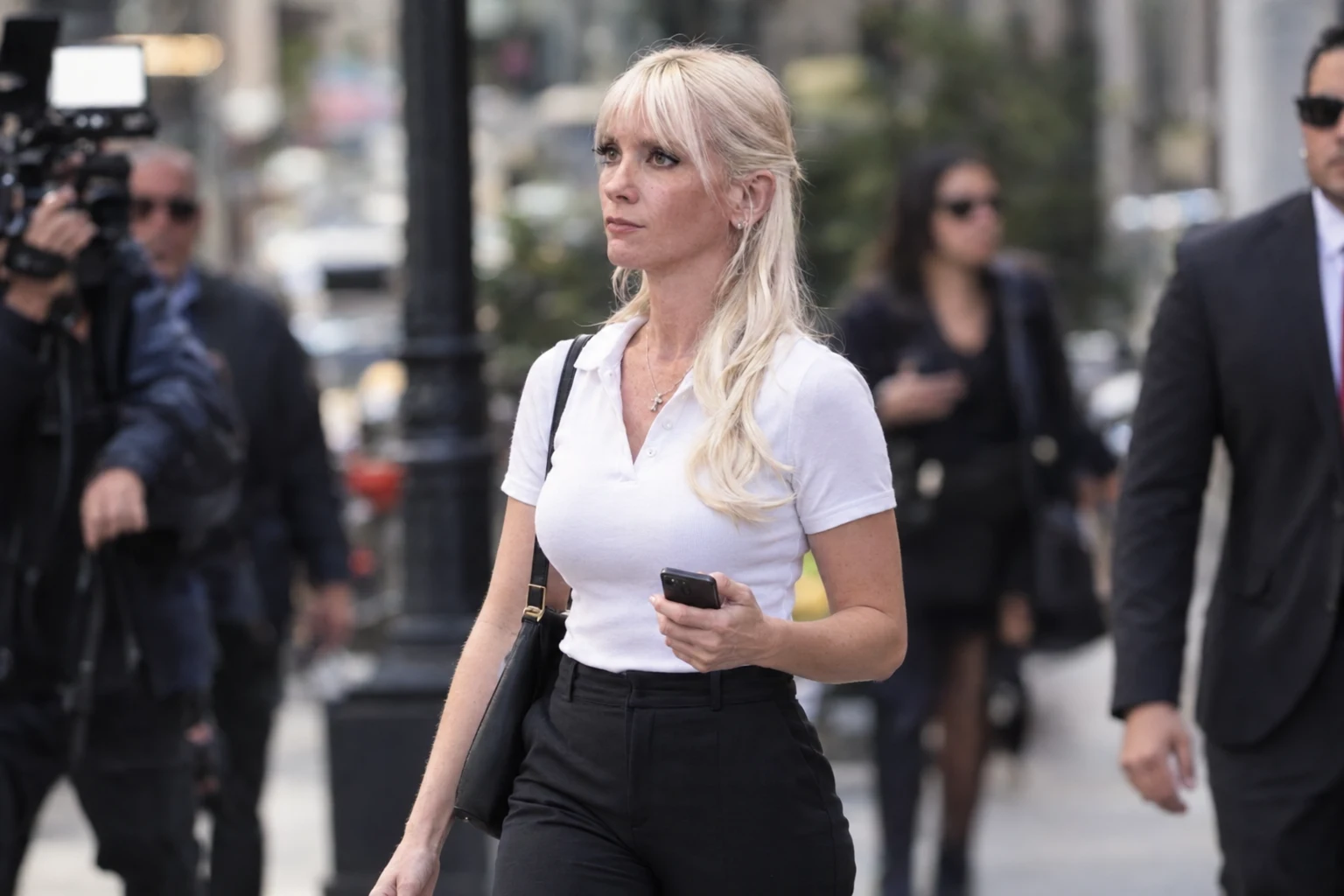
Shiloh Hendricks became widely known in 2025 after a confrontation at a Rochester, Minnesota, playground was recorded and spread across social media. The incident quickly attracted national attention, with debate surrounding the language used during the confrontation, online harassment, free-speech questions, and the fundraising campaign Hendricks launched afterward. By 2026, the story had moved from social-media controversy into the courtroom. A Minnesota jury ultimately found her guilty of one misdemeanor disorderly-conduct count while finding her not guilty on another. She received a $1,000 fine, probation, 200 hours of community service, and a stayed 90-day jail sentence. Her attorney has said he plans to appeal the conviction.
Who Is Shiloh Hendricks? A Short Biography
| Detail | Information |
|---|---|
| Full Name | Shiloh Marie Hendrix |
| Age | 37 as of July 2026 |
| Birthplace | Not included because a reliable public source could not verify it |
| Profession | Private individual / mother |
| Known For | 2025 Rochester, Minnesota playground incident and subsequent court case |
| Children | She has children, including a toddler who was with her around the time of the incident |
Why Did Shiloh Hendricks Become Famous?
The 2025 Rochester Playground Incident
Hendricks first attracted widespread public attention in April 2025 after an encounter at Soldiers Field Memorial Park in Rochester was recorded by a bystander. According to court reporting, Hendricks and the father of an eight-year-old Black autistic boy were both involved in a confrontation after the child took an applesauce container from Hendricks’ diaper bag. Hendricks subsequently used a racial slur during the confrontation.
The incident became especially significant because a portion of the confrontation was recorded and rapidly circulated online. The video prompted strong reactions from people on both sides of the debate, while local officials and community organizations became involved. Later court proceedings focused not simply on the offensive language but on whether Hendricks’ conduct met Minnesota’s legal standard for disorderly conduct.
How the Video Spread Online
The original incident quickly moved beyond Rochester. Reposts of the video circulated across social-media platforms, turning Hendricks into a nationally discussed figure despite having no established public career in entertainment or politics. Much of the online conversation focused on the racial slur, while other discussions centered on the circumstances surrounding the confrontation and the identity of the person who recorded it.
The viral attention also brought serious consequences for the people involved. Reporting from the Minnesota Star Tribune and the Associated Press documented the intense public reaction, including online harassment and doxxing concerns. The controversy therefore developed into two connected stories: the original playground encounter and the much larger internet reaction that followed.
The GiveSendGo Fundraiser
After the video became widely known, Hendricks launched a fundraising campaign on GiveSendGo. She said that she and her family had been subjected to threats and that personal information had been exposed online. She presented the fundraiser as a way to help protect and relocate her family.
The campaign attracted an unusually large amount of attention and financial support. The Associated Press reported that the fundraiser had collected more than $700,000 during the initial controversy, while later reporting around the 2026 trial put the total close to $900,000. The campaign itself became part of the broader debate, with supporters portraying the donations as assistance following online harassment and critics questioning the circumstances that led to the fundraising.
Shiloh Hendricks’ Legal Case
Charges Filed in Minnesota
The legal consequences developed several months after the original incident. In August 2025, Rochester city attorneys announced that Hendricks would face misdemeanor disorderly-conduct charges related to the April confrontation. The original complaint involved three counts, although the case later proceeded with two counts at trial.
The charges were based on Minnesota’s disorderly-conduct law and focused on whether Hendricks’ language and behavior could reasonably tend to provoke alarm, anger, or resentment. Her defense maintained that the case raised important First Amendment questions and argued that offensive speech should not automatically become criminal conduct.
What Happened at the 2026 Trial?
Hendricks’ trial took place in Rochester in July 2026 and lasted four days. Prosecutors presented testimony from the boy’s father and other witnesses, along with the recorded material from the confrontation. The prosecution argued that the circumstances surrounding the encounter were relevant to understanding Hendricks’ behavior.
Hendricks did not testify during the trial. Her defense attorney, Brian Karalus, challenged aspects of the prosecution’s case and argued that the government’s attempt to punish Hendricks for her language raised constitutional concerns. The jury deliberated for more than nine hours before reaching its verdict.
The Verdict and Sentence
On July 23, 2026, the jury returned a split verdict. Hendricks was found not guilty of the disorderly-conduct count involving the child but guilty of the count involving the man who recorded the confrontation.
Judge Christa M. Daily sentenced Hendricks to a $1,000 fine, probation, and 200 hours of community service. She also received a 90-day jail sentence that was stayed, meaning she would not serve that jail term unless she violated the conditions of her probation.
Her attorney said after the verdict that he intended to appeal. The University of Minnesota Law School later reported that legal scholars were examining the First Amendment implications of the case, particularly the limits of Minnesota’s disorderly-conduct statute and the constitutional “fighting words” doctrine.
What Is Happening With Shiloh Hendricks Now?
The Appeal
The latest major legal development is Hendricks’ appeal. Following the July 2026 conviction, her defense challenged the outcome and raised First Amendment concerns. The legal question is significant because constitutional protections generally distinguish between speech that is merely offensive and speech that falls within a narrow category of unprotected expression.
Professor Jeff Kosseff of the University of Minnesota Law School explained that courts examining a possible “fighting words” exception must consider the circumstances and whether the language was likely to produce an immediate violent reaction. That legal analysis does not itself determine the outcome of Hendricks’ appeal, but it helps explain why the case has attracted interest beyond Rochester.
Why the Case Continues to Attract Attention
The Hendricks case sits at the intersection of several issues that often generate intense online debate: racial harassment, public confrontations, viral video, internet privacy, crowdfunding, and freedom of speech. The original incident lasted only a short time, but the consequences continued for more than a year.
The case also illustrates how quickly a private individual can become a nationally recognized name after a single video reaches a large audience. Hendricks had no widely documented entertainment or political career before the incident. Her public profile instead developed through the viral controversy, fundraising campaign, criminal proceedings, and continuing legal debate.
What Can Be Verified About Her Personal Life?
Public reporting confirms that Hendricks is a mother and that a toddler was with her around the time of the 2025 park incident. She also referred to her children in the fundraising campaign when describing the impact of the online backlash.
Beyond those details, reliable sources provide limited verified information about her personal biography. There is no strong public documentation supporting commonly circulated claims about her education, previous career, net worth, spouse, detailed family background, or other biographical information. Those claims should therefore be treated cautiously rather than repeated as established facts.
Frequently Asked Questions About Shiloh Hendricks
Q: Who is Shiloh Hendricks?
A: Shiloh Hendricks, also reported by major news organizations as Shiloh Hendrix, is a Minnesota woman who became nationally known after a 2025 playground confrontation in Rochester was recorded and went viral. The incident led to an online fundraising campaign and later misdemeanor disorderly-conduct proceedings.
Q: What happened to Shiloh Hendricks in 2025?
A: In April 2025, Hendricks was involved in a confrontation at a Rochester playground after an eight-year-old Black child took an item from her diaper bag. She used a racial slur during the encounter, and a bystander recorded part of the confrontation. The footage spread widely online and triggered substantial public reaction.
Q: How much money did Shiloh Hendricks raise?
A: Her GiveSendGo campaign raised hundreds of thousands of dollars following the viral incident. The Associated Press reported more than $700,000 during the initial period, while reporting surrounding her 2026 trial placed the amount close to $900,000. The campaign was presented as support for protecting and relocating her family.
Q: Was Shiloh Hendricks found guilty?
A: Yes, but the 2026 verdict was split. A Rochester jury found her guilty of one misdemeanor disorderly-conduct count involving the man who recorded the confrontation and not guilty of another count involving the child. She received a $1,000 fine, probation, 200 hours of community service, and a stayed 90-day jail sentence.
Q: Is Shiloh Hendricks appealing the conviction?
A: Yes. Her attorney said after the July 2026 verdict that he planned to appeal. The appeal has attracted attention because the case involves questions about Minnesota’s disorderly-conduct law and the First Amendment’s treatment of offensive or potentially provocative speech.
Conclusion
Shiloh Hendricks’ story developed from a brief playground confrontation into a national internet controversy and, ultimately, a criminal court case. The 2025 incident brought widespread attention after video of the encounter circulated online, followed by a large GiveSendGo campaign and intense debate over privacy, accountability, and free expression.
In July 2026, a jury found Hendricks guilty of one disorderly-conduct count and not guilty of another. Her sentence included a $1,000 fine, probation, community service, and a stayed jail term, while her attorney announced plans to appeal. Because the legal process remains relevant to the story, future developments in the appeal could become the next significant chapter in the case.
Read About : misty roberts