
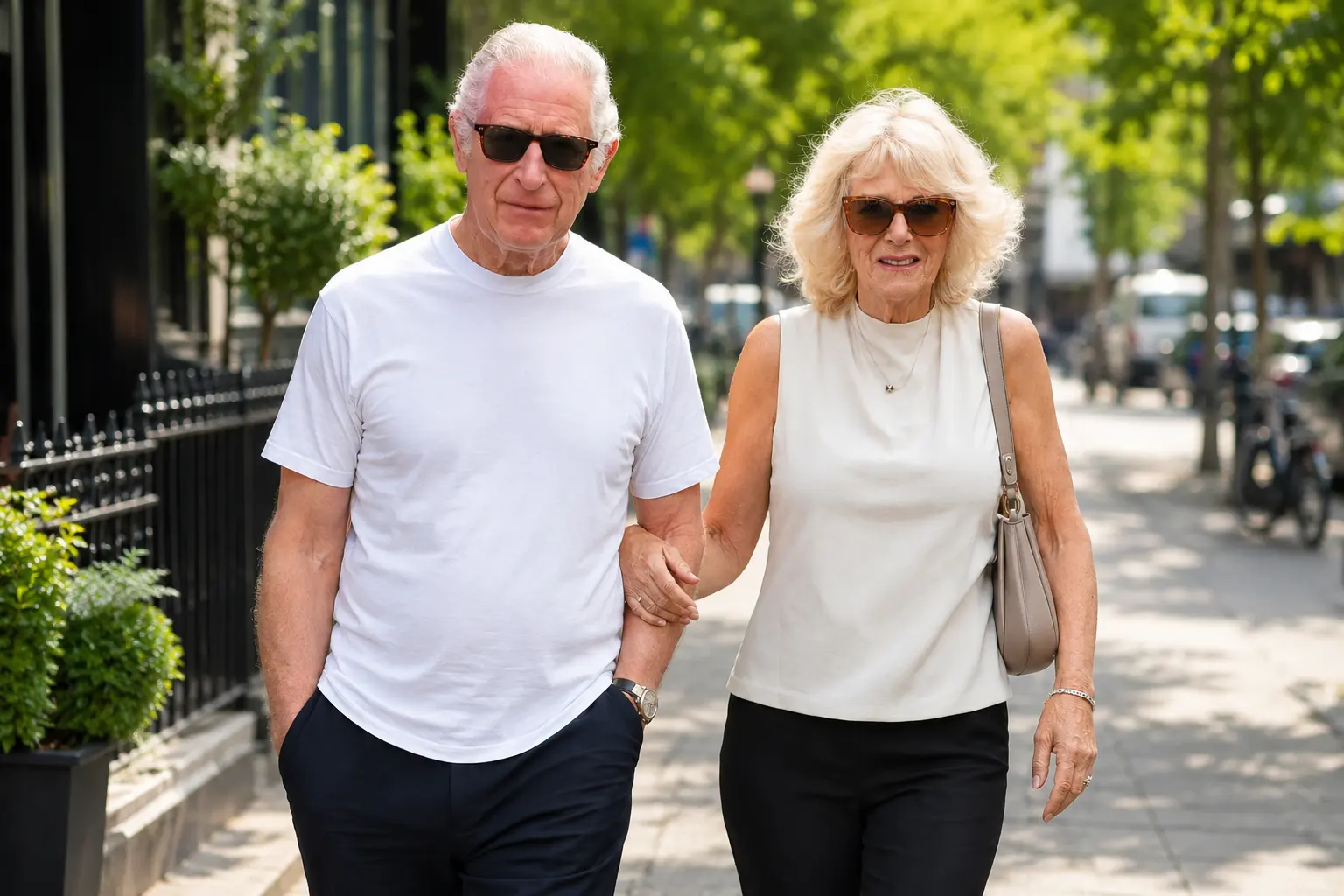
The Charles and Camilla wedding was one of the most significant royal events of the 21st century. After decades of public attention, personal challenges, and intense media scrutiny, then-Prince Charles and Camilla Parker Bowles finally married on April 9, 2005. Their union marked the culmination of a long and complex relationship that had fascinated royal watchers for years.
Unlike many traditional royal weddings, their ceremony broke with convention. Instead of a grand church wedding, the couple chose a civil ceremony followed by a religious blessing, reflecting both their personal circumstances and the evolving nature of the British monarchy. Today, as King Charles III and Queen Camilla, their marriage is viewed as a pivotal moment in modern royal history.
When Did Charles and Camilla Get Married?
The Wedding Date and Location
Charles and Camilla were married on April 9, 2005, at Windsor Guildhall in Berkshire, England. The ceremony took place in a civil setting rather than inside a royal chapel, making it notably different from many previous royal weddings.
The wedding was originally scheduled for April 8, 2005. However, it was postponed by one day to avoid conflicting with the funeral of Pope John Paul II. The change allowed key officials, including the Archbishop of Canterbury and government representatives, to attend both events.
Why the Couple Chose a Civil Ceremony
Both Charles and Camilla had previously been married and divorced. Because of these circumstances, the couple elected to have a civil marriage ceremony rather than a traditional Church of England wedding service. This decision reflected both legal and religious considerations at the time.
Following the legal ceremony, they participated in a Service of Prayer and Dedication at St George’s Chapel within Windsor Castle. This allowed the marriage to receive a religious blessing while maintaining the civil nature of the wedding itself.
A Historic Royal First
The event represented a rare departure from royal tradition. It demonstrated the monarchy’s willingness to adapt to changing social attitudes surrounding divorce and remarriage. Many commentators viewed the wedding as an important step in modernizing the royal family while preserving its core traditions.
The ceremony attracted worldwide attention, with millions following the event through television broadcasts, newspapers, and online coverage.
The Long Road to Marriage
How Charles and Camilla First Met
Charles and Camilla first met in the early 1970s. Their relationship developed quickly, but circumstances and royal expectations ultimately led them down separate paths. Camilla later married Andrew Parker Bowles, while Charles married Princess Diana in 1981.
Despite marrying other people, Charles and Camilla remained connected over the years. Their relationship would later become one of the most discussed stories in modern royal history.
Public Scrutiny and Controversy
The couple’s relationship attracted significant media attention, particularly during the difficult years surrounding the breakdown of Charles and Diana’s marriage. Public opinion was often divided, and both Charles and Camilla faced considerable criticism.
Over time, however, public attitudes gradually softened. Through years of public service and charitable work, Camilla became increasingly accepted by many members of the public and the royal establishment.
Engagement Announcement
In February 2005, Clarence House officially announced the couple’s engagement. The news marked a turning point, signaling that their relationship had gained broad acceptance within the royal family and among much of the British public.
The engagement set the stage for one of the most closely watched weddings of the decade.
Inside the Wedding Day
The Civil Ceremony at Windsor Guildhall
The civil ceremony was intentionally modest compared to many royal weddings. Attendance was limited, with close family members and selected guests witnessing the legal marriage. Reports from the time indicate that only a small group attended the ceremony itself.
Prince William and Prince Harry were among those present, supporting their father on the important occasion.
Although relatively private by royal standards, large crowds gathered outside Windsor Guildhall to celebrate and catch a glimpse of the newlyweds.
The Religious Blessing at St George’s Chapel
After the civil ceremony, Charles and Camilla traveled to St George’s Chapel at Windsor Castle for a Service of Prayer and Dedication led by Archbishop of Canterbury Rowan Williams. This service was attended by senior members of the royal family and many distinguished guests.
The blessing carried deep symbolic importance. It allowed the couple to publicly affirm their commitment within a religious setting while respecting the unique circumstances surrounding their marriage.
Queen Elizabeth II’s Role
One of the most discussed aspects of the day was the attendance of Queen Elizabeth II and Prince Philip. Neither attended the civil wedding ceremony, but both were present at the blessing service and later hosted a reception for the newlyweds at Windsor Castle.
Their participation in the religious service and reception was widely interpreted as a sign of support for the marriage and the future role Camilla would play within the royal family.
Camilla’s Wedding Style and Appearance
Her Bridal Outfits
Camilla chose elegant but understated bridal attire. For the civil ceremony, she wore a white silk chiffon dress and matching coat designed by Antonia Robinson and Anna Valentine, complemented by a feathered hat created by renowned milliner Philip Treacy.
The look balanced royal sophistication with a modern approach that suited the nature of the event.
A Second Look for the Blessing
For the Service of Prayer and Dedication, Camilla changed into a blue and gold embroidered coat over a coordinating gown. She paired the outfit with another striking Philip Treacy headpiece.
The wardrobe change gave the religious service its own distinct identity and added a touch of ceremonial grandeur.
Why She Didn’t Wear a Tiara
Unlike many royal brides, Camilla did not wear a tiara on her wedding day. Instead, she opted for elegant hats during both portions of the celebration. The decision reflected the unique nature of the wedding and helped create a more contemporary appearance.
The Wedding’s Lasting Legacy
Changing Public Perception
The wedding played a major role in reshaping public attitudes toward Camilla. While acceptance was not immediate, the event marked the beginning of a gradual transformation in how she was viewed by the public and media.
Over the following years, Camilla became a respected working member of the royal family and a prominent supporter of numerous charitable causes.
From Duchess to Queen
Following the marriage, Camilla became known as the Duchess of Cornwall. Years later, after Charles ascended the throne in 2022, she assumed the title of Queen Camilla.
The journey from controversial royal partner to queen illustrates how dramatically perceptions changed over two decades.
A Modern Royal Love Story
Despite years of challenges, the marriage has endured. Royal observers frequently point to the couple’s shared interests, mutual support, and long-standing companionship as key reasons for the relationship’s success.
The wedding remains an important chapter in the history of the British monarchy and a symbol of its ability to adapt to changing times.
FAQ
Q: When was the Charles and Camilla wedding?
A: Charles and Camilla married on April 9, 2005, in a civil ceremony at Windsor Guildhall in Windsor, England. The event was followed by a religious blessing at St George’s Chapel in Windsor Castle.
Q: Why did Charles and Camilla have a civil wedding?
A: Because both had previously been married and divorced, they chose a civil marriage ceremony followed by a church blessing. This approach addressed both legal and religious considerations at the time.
Q: Did Queen Elizabeth II attend the wedding?
A: Queen Elizabeth II did not attend the civil ceremony itself. However, she attended the Service of Prayer and Dedication afterward and hosted a reception for the couple at Windsor Castle.
Q: Where did the blessing take place?
A: The blessing was held at St George’s Chapel, Windsor Castle, and was led by Archbishop of Canterbury Rowan Williams. The service was attended by senior royals and hundreds of invited guests.
Q: What title did Camilla receive after the marriage?
A: Following the wedding, Camilla became Her Royal Highness the Duchess of Cornwall. After Charles became king in 2022, she assumed the title of Queen Camilla.
Conclusion
The Charles and Camilla wedding was far more than a royal ceremony. It represented the culmination of a decades-long relationship that had survived public scrutiny, personal challenges, and changing social attitudes. Held on April 9, 2005, the event blended tradition with modernity through its civil ceremony and religious blessing.
Looking back, the wedding stands as a defining moment in contemporary royal history. It paved the way for Camilla’s acceptance within the monarchy and ultimately her role as queen. More than twenty years later, the marriage remains one of the most consequential and talked-about unions in the modern British royal family.
Read more about: Vanderpump Family: Inside Lisa Vanderpump’s Famous Family Life