
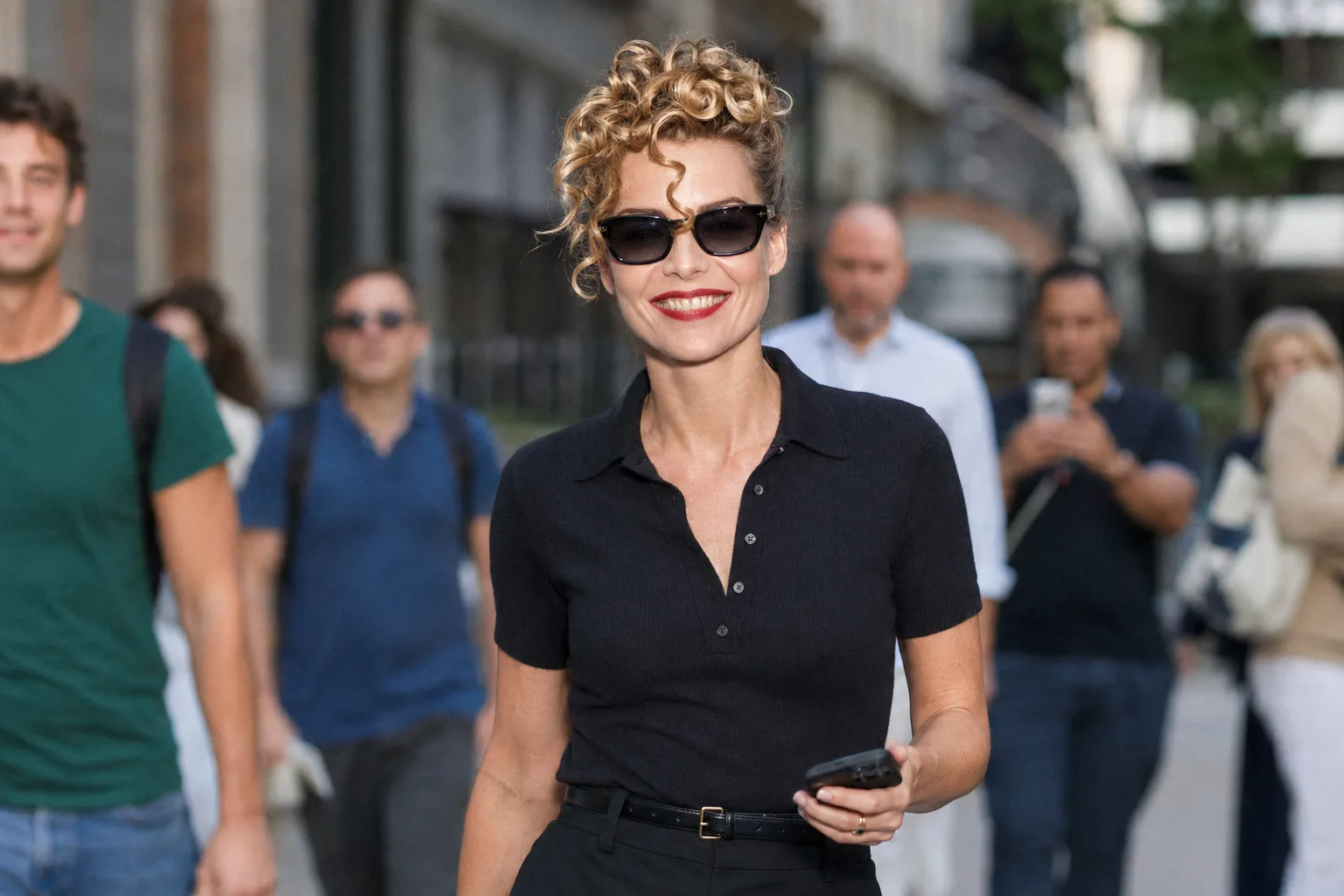
Few comic book characters have inspired as many memorable screen portrayals as Catwoman, but for many fans, Michelle Pfeiffer’s Catwoman remains the definitive version. Introduced in Tim Burton’s 1992 film Batman Returns, Pfeiffer transformed Selina Kyle from a supporting comic-book character into one of cinema’s most fascinating antiheroes. Her performance combined vulnerability, danger, wit, and emotional depth in a way that few superhero films had attempted before.
More than three decades after the film’s release, audiences still discuss her unforgettable costume, sharp dialogue, and complex relationship with Batman. This article explores why Michelle Pfeiffer’s Catwoman continues to be regarded as one of the greatest comic-book performances ever put on screen.
The Origins of Michelle Pfeiffer’s Catwoman
How She Landed the Role
When Batman Returns entered production, several well-known actresses were reportedly considered for the role of Catwoman. The part ultimately went to Michelle Pfeiffer, who stepped into the role after earlier casting plans changed. Her selection proved to be one of the most important decisions in the film’s production.
At the time, Pfeiffer was already an established Hollywood star known for acclaimed performances in dramatic and romantic roles. However, Catwoman offered her an opportunity to explore a darker and more theatrical character. The combination of Pfeiffer’s acting range and Tim Burton’s gothic vision created a version of Selina Kyle unlike any that audiences had seen before.
Selina Kyle Before the Transformation
In Batman Returns, Selina Kyle begins as a lonely and overlooked secretary working for the corrupt businessman Max Shreck. She is timid, isolated, and struggling to find confidence in a city that barely notices her. After a traumatic confrontation with her employer, her life changes dramatically, leading to the birth of her Catwoman persona.
This origin story differs from many comic-book versions of the character. Rather than focusing on a skilled thief, Burton’s film presents Catwoman as a woman reclaiming power after years of emotional suppression. The transformation gives the character psychological complexity that resonated with audiences and critics alike.
Tim Burton’s Unique Vision
Director Tim Burton approached Gotham City as a dark fairy tale filled with outsiders and misunderstood figures. Catwoman fit perfectly within that world. Instead of portraying her as a straightforward villain, Burton emphasized her contradictions, allowing her to be sympathetic and dangerous at the same time.
The result was a character who often stole the spotlight from the film’s other major players. Even alongside Batman and Penguin, Catwoman emerged as one of the most memorable elements of the movie, helping define its lasting legacy.
What Made Her Performance So Memorable?
A Perfect Balance of Vulnerability and Power
One reason Michelle Pfeiffer’s Catwoman remains beloved is the emotional range she brought to the role. Her Selina Kyle is fragile and insecure, while Catwoman is bold and fearless. Rather than treating them as separate personalities, Pfeiffer shows how both sides exist within the same person.
This duality gives the character emotional weight. Audiences can understand Selina’s pain while also being captivated by Catwoman’s confidence and unpredictability. That balance helped elevate the performance beyond traditional comic-book movie standards of the era.
Physical Commitment to the Character
Pfeiffer’s portrayal was not built solely on dialogue. Her body language, movements, and facial expressions became key parts of the character. Every scene communicated a mixture of elegance and danger, reinforcing Catwoman’s feline inspiration.
The famous black stitched catsuit also contributed to the performance. Reports from behind the scenes revealed that the costume was extremely demanding to wear, requiring significant preparation before filming scenes. Despite those challenges, Pfeiffer delivered a performance that appeared effortless on screen.
Memorable Dialogue and Screen Presence
Many of Catwoman’s most famous moments come from the confidence and charisma Pfeiffer brought to the role. Whether delivering sarcastic one-liners or confronting Gotham’s most powerful figures, she commanded attention whenever she appeared.
Her chemistry with Michael Keaton’s Batman also added emotional depth. Their relationship worked because both characters operated in the gray area between hero and outsider. Together, they created one of the most compelling romantic dynamics in superhero cinema.
The Iconic Catwoman Costume
Design and Symbolism
The black latex catsuit became one of the most recognizable costumes in movie history. Designed with visible white stitching, it reflected Selina Kyle’s fractured emotional state while creating a distinctive visual identity. The design immediately separated her from previous screen versions of the character.
Unlike traditional superhero costumes that symbolize perfection, Catwoman’s suit looked damaged and reconstructed. This visual choice mirrored Selina’s personal journey and reinforced the film’s themes of transformation and self-discovery.
A Lasting Influence on Pop Culture
Even decades later, the costume remains a popular reference point in discussions about superhero fashion. Future interpretations of Catwoman often faced comparisons to Pfeiffer’s version, demonstrating the lasting impact of the design.
The look became so iconic that it continues to appear in retrospectives, fan tributes, and discussions about the greatest superhero costumes ever created. Its influence extends far beyond the film itself.
Behind-the-Scenes Challenges
The costume’s visual success came with practical difficulties. The tightly fitted suit was notoriously challenging to wear during production, requiring extensive preparation before filming scenes. Despite these obstacles, Pfeiffer embraced the demands of the role and delivered a performance that never appeared constrained.
Her commitment helped transform the costume from a simple wardrobe choice into a defining element of the character’s identity.
The Legacy of Michelle Pfeiffer’s Catwoman
Critical Acclaim Over the Years
Upon release, critics praised Pfeiffer’s performance, and appreciation for her portrayal has only grown with time. Many commentators now rank her Catwoman among the greatest characters in superhero film history.
The role demonstrated that comic-book characters could be emotionally complex and psychologically rich. Long before superhero movies dominated the box office, Pfeiffer showed how layered these characters could become in the hands of talented performers.
Influence on Future Catwoman Portrayals
Several actresses have portrayed Catwoman since 1992, including Anne Hathaway and Zoë Kravitz. Each brought a unique interpretation, but Pfeiffer’s version remains the benchmark against which many fans compare new portrayals.
Her influence can be seen in the way modern adaptations emphasize Selina Kyle’s intelligence, independence, and emotional depth rather than presenting her as a simple antagonist.
Why Fans Still Love Her Today
Part of the enduring appeal comes from the character’s complexity. Catwoman is neither fully heroic nor entirely villainous. She makes mistakes, seeks revenge, and struggles with personal pain while remaining deeply sympathetic.
That emotional realism continues to resonate with audiences. Combined with Pfeiffer’s magnetic performance, it explains why her version of Catwoman remains a favorite more than thirty years after Batman Returns premiered.
Frequently Asked Questions
Q: Which movie featured Michelle Pfeiffer as Catwoman?
A: Michelle Pfeiffer played Catwoman, also known as Selina Kyle, in Batman Returns, released in 1992 and directed by Tim Burton. She starred alongside Michael Keaton as Batman and Danny DeVito as Penguin.
Q: Why is Michelle Pfeiffer’s Catwoman considered the best?
A: Many fans and critics praise her portrayal because it combines emotional vulnerability, confidence, humor, and danger. Her performance gave the character remarkable depth and helped redefine expectations for comic-book movie characters.
Q: Did Michelle Pfeiffer perform her own Catwoman scenes?
A: Pfeiffer trained extensively for the role and performed many of the character’s memorable scenes. Her physical commitment and distinctive mannerisms contributed significantly to the character’s authenticity and popularity.
Q: Was there ever a Catwoman spin-off starring Michelle Pfeiffer?
A: Plans for a standalone Catwoman film were discussed after the success of Batman Returns. However, the project never moved forward, and the later 2004 Catwoman movie featured a different lead character and storyline.
Q: Is Michelle Pfeiffer’s Catwoman still influential today?
A: Yes. Her portrayal continues to influence modern interpretations of Catwoman and is regularly cited as one of the greatest performances in superhero movie history.
Conclusion
Michelle Pfeiffer’s Catwoman remains one of the most iconic characters ever to emerge from a superhero film. Through a combination of emotional depth, striking visual design, and unforgettable screen presence, she transformed Selina Kyle into a complex and enduring cultural figure.
More than thirty years after Batman Returns, her portrayal continues to inspire filmmakers, actors, and comic-book fans around the world. Whether admired for its psychological complexity, memorable costume, or powerful performance, Michelle Pfeiffer’s Catwoman stands as a landmark achievement in superhero cinema and a standard that future portrayals still strive to match.
Read About : paul brunson wife