
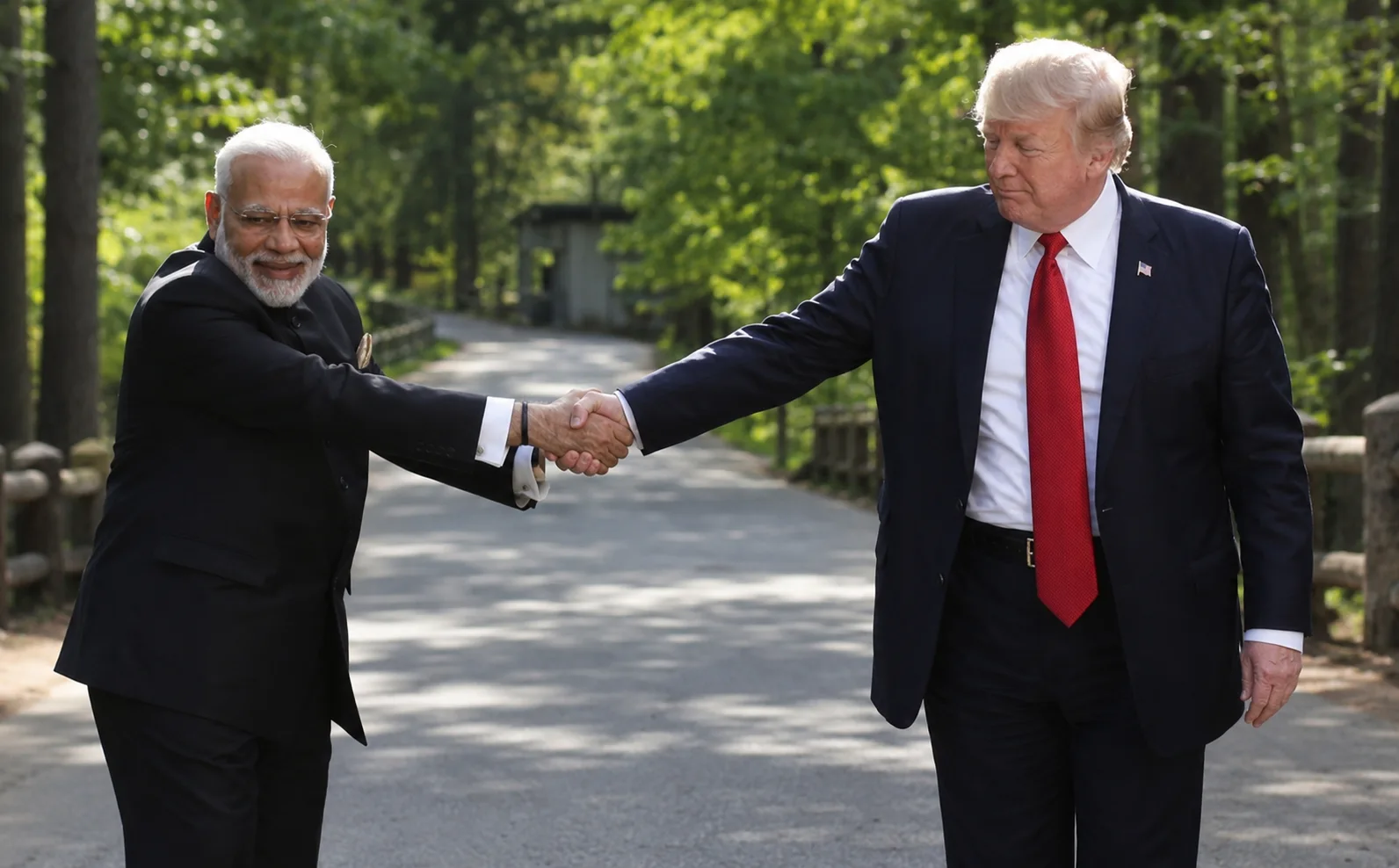
Donald Trump’s approach to India has attracted global attention throughout his political career. From calling India a strategic partner to criticizing its trade practices, Trump’s remarks and policies have often combined praise with pressure. Whether discussing tariffs, defense cooperation, immigration, or relations with China, his position on India has evolved alongside broader U.S. foreign policy priorities.
This article explains Trump’s stance on India, the major policy decisions associated with his administrations, recent developments, and what they could mean for India-U.S. relations. It also answers common questions people search about Trump’s views on India and examines the broader diplomatic and economic context.
Trump’s Overall View of India
Donald Trump has frequently described India as an important strategic partner for the United States. During both of his presidencies, his administration emphasized stronger cooperation in areas such as defense, technology, energy, and Indo-Pacific security.
At the same time, Trump consistently argued that India maintained high import tariffs and trade barriers that disadvantaged American businesses. His “America First” economic agenda focused on reducing trade deficits and negotiating more reciprocal trade agreements, including with India.
Rather than viewing India solely as either an ally or a competitor, Trump’s policy generally reflected both strategic cooperation and economic bargaining.
Trade Has Been the Biggest Point of Disagreement
Trade remains the most significant issue in Trump’s relationship with India.
Trump repeatedly criticized India’s tariff structure, arguing that American exporters faced unfair barriers when selling products in the Indian market. His administration pushed for lower tariffs, expanded market access, and changes to certain non-tariff barriers affecting U.S. companies.
Negotiations eventually led to a framework for an interim trade agreement that included tariff reductions on selected goods, expanded market access, and commitments to continue negotiating a broader bilateral trade agreement. The agreement also emphasized stronger cooperation on supply chains, digital trade, and technology.
However, trade negotiations have not always progressed smoothly. Proposed tariff actions and ongoing investigations into trade practices have periodically created uncertainty for businesses in both countries.
Recent Developments
Recent discussions surrounding Trump and India have focused largely on tariffs.
The U.S. administration has proposed additional duties affecting multiple trading partners, including India, under ongoing trade investigations. Indian officials have responded by stating that the proposals are not yet final while continuing negotiations with the United States on a broader trade agreement.
Industry groups in both countries have expressed concerns that higher tariffs could increase costs, disrupt supply chains, and complicate investment decisions. Several American companies have also warned that additional duties could negatively affect U.S. manufacturers that depend on imported components.
Defense Cooperation Remains Strong
Despite disagreements over trade, defense cooperation between India and the United States has generally continued to expand.
During Trump’s administrations, both countries increased military exercises, strengthened defense partnerships, and signed agreements aimed at improving interoperability between their armed forces.
India has become one of the United States’ major strategic partners in the Indo-Pacific region, where both governments share concerns about regional security and freedom of navigation.
Defense cooperation has included:
- Joint military exercises
- Intelligence sharing
- Defense technology collaboration
- Expanded defense equipment sales
- Maritime security cooperation
These initiatives have remained important even during periods of economic disagreement.
Trump’s Position on China and India’s Role
One reason Trump has viewed India as strategically important is China’s growing global influence.
Successive U.S. administrations have considered India a key democratic partner capable of contributing to stability across the Indo-Pacific. Trump’s foreign policy placed considerable emphasis on balancing China’s economic and military influence, making cooperation with India increasingly significant.
This shared strategic interest has often helped maintain positive diplomatic relations despite disputes over tariffs and market access.
Immigration and Indian Professionals
Trump’s immigration policies also affected many Indian citizens.
During his first administration, stricter visa rules—particularly concerning employment-based visas—created challenges for some Indian technology professionals seeking work in the United States.
Supporters argued these measures protected American jobs, while critics said they reduced access to skilled international talent and created uncertainty for businesses that rely on highly qualified workers.
Immigration policy remains an important topic whenever Trump discusses broader economic priorities.
Trump’s Relationship with Prime Minister Narendra Modi
Donald Trump and Indian Prime Minister Narendra Modi have maintained a highly visible personal relationship.
Large public events, including “Howdy, Modi!” in Texas and “Namaste Trump” in India during Trump’s first presidency, highlighted growing political ties between the two leaders.
Trump has repeatedly spoken positively about Modi personally, even while criticizing aspects of India’s trade policies. Recent statements have also reflected optimism about reaching further trade agreements with India.
This distinction between diplomatic relations and trade negotiations has characterized much of Trump’s approach toward India.
Economic Impact on India
Trump’s trade policies can affect India in several ways.
Potential impacts include:
- Higher export costs if new tariffs are implemented
- Increased uncertainty for exporters
- Changes in supply chain strategies
- Opportunities for new bilateral trade negotiations
- Greater emphasis on domestic manufacturing
The actual economic effects depend on whether proposed tariffs become final, how negotiations evolve, and whether both governments reach long-term trade agreements.
Why Trump’s Comments About India Often Make Headlines
Trump’s statements frequently receive widespread media attention because they often combine praise with criticism.
For example, he has described India as a valuable friend while simultaneously arguing that it imposes some of the world’s highest tariffs.
This communication style often creates headlines because diplomatic cooperation and economic disagreements are discussed together, making his position appear more confrontational than traditional diplomatic language.
What Could Happen Next?
The future of Trump-era India policy will likely depend on several factors:
- Progress in bilateral trade negotiations
- Decisions regarding proposed tariffs
- Global supply chain developments
- Strategic competition in the Indo-Pacific
- Energy cooperation
- Technology partnerships
Both countries continue to describe one another as important strategic partners, suggesting that long-term cooperation is likely to continue even when trade disagreements arise.
Frequently Asked Questions
What has Trump said about India?
Donald Trump has generally described India as an important strategic partner while criticizing its tariff policies and advocating more balanced trade. His public comments often emphasize friendship with India alongside calls for greater market access for American businesses.
Why did Trump criticize India’s tariffs?
Trump argued that India’s import duties and certain non-tariff barriers made it difficult for American companies to compete fairly. Reducing these barriers became a major objective of U.S.-India trade negotiations during his administrations.
Is Trump supportive of India?
Overall, yes. Trump’s policies have reflected support for stronger strategic, defense, and security cooperation with India. However, he has simultaneously taken a tougher negotiating position on trade and market access.
How could Trump’s trade policies affect India?
If additional tariffs are implemented, Indian exporters could face higher costs when selling products in the United States. At the same time, ongoing negotiations could also create opportunities for new trade agreements that improve market access for both countries.
Are the United States and India still negotiating trade agreements?
Yes. Both governments have continued discussions aimed at expanding bilateral trade, improving market access, and strengthening economic cooperation, although negotiations have occasionally been affected by proposed tariff measures and broader trade disputes.
Conclusion
Trump on India is best understood as a combination of strategic partnership and economic negotiation. While his administrations have consistently recognized India’s growing geopolitical importance, they have also pursued tougher trade policies designed to reduce what Trump viewed as unfair barriers facing American businesses.
Recent developments show that trade remains the most complex aspect of the relationship, with tariff proposals continuing to generate discussion on both sides. At the same time, cooperation in defense, technology, and Indo-Pacific security remains strong, demonstrating that the broader U.S.-India partnership extends well beyond trade disputes. As negotiations continue, the relationship is likely to remain both strategically significant and economically dynamic.
Read About : kendrick lamar wife