
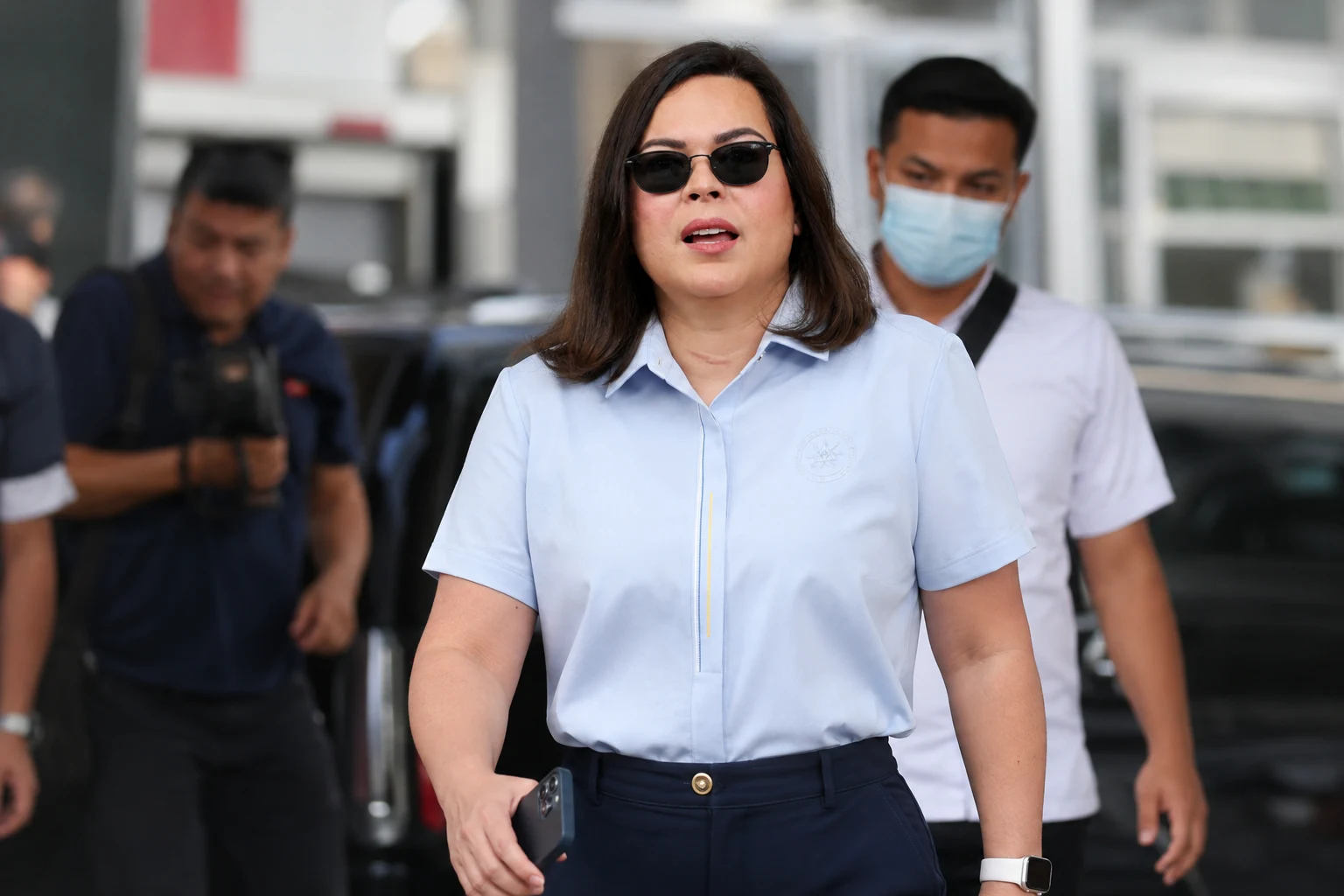
The impeachment of Philippine Vice President Sara Duterte has become one of the country’s most significant political events in recent years. The case has drawn widespread attention because it could reshape the Philippines’ political landscape, affect public trust in government institutions, and influence the race for the 2028 presidential election.
This article explains the Sara Duterte impeachment in clear, factual terms. You’ll learn why the impeachment complaints were filed, what the allegations involve, how the legal process works, and what the possible outcomes could mean for the country’s future.
Who Is Sara Duterte? A Short Biography
| Field | Information |
|---|---|
| Full Name | Sara Zimmerman Duterte-Carpio |
| Date of Birth | May 31, 1978 |
| Age | 48 (as of 2026) |
| Birthplace | Davao City, Philippines |
| Nationality | Filipino |
| Profession | Politician and Lawyer |
| Years Active | 2007–present |
| Education | San Sebastian College–Recoletos (Law); San Pedro College |
| Famous For | Vice President of the Philippines, former Mayor of Davao City |
| Father | Rodrigo Duterte |
| Mother | Elizabeth Zimmerman |
| Marital Status | Married |
| Spouse | Manases Carpio |
| Children | 3 |
| Source of Income | Public service and legal profession |
What Is the Sara Duterte Impeachment About?
The impeachment proceedings center on allegations that Vice President Sara Duterte committed acts that may constitute culpable violations of the Philippine Constitution, betrayal of public trust, graft and corruption, and other impeachable offenses under Philippine law. She has consistently denied the allegations and maintains that the case is politically motivated.
The controversy emerged after growing political tensions between Duterte and President Ferdinand Marcos Jr., whose alliance helped secure victory in the 2022 national elections but later deteriorated into an increasingly public rivalry. As disagreements between the two camps intensified, lawmakers filed impeachment complaints that eventually advanced in the House of Representatives.
Rather than being a criminal trial, impeachment is a constitutional process designed to determine whether a public official should remain in office.
Why Was Sara Duterte Impeached?
Several allegations form the basis of the impeachment articles approved by the House of Representatives.
Alleged Misuse of Confidential Funds
One of the central accusations concerns the alleged misuse of confidential and intelligence funds allocated to the Office of the Vice President and the Department of Education during Duterte’s tenure as education secretary.
Lawmakers claim that irregularities occurred in the handling of these public funds. Duterte has denied any wrongdoing and insists that all expenditures complied with existing laws and regulations.
Allegations of Unexplained Wealth
Another allegation involves claims regarding unexplained wealth and financial disclosures. Supporters of the impeachment argue that these matters require greater accountability and transparency.
Duterte’s legal team rejects these accusations and argues that the allegations lack sufficient legal and factual basis.
Public Threats Against Government Officials
The impeachment articles also cite public statements in which Duterte allegedly threatened President Ferdinand Marcos Jr., First Lady Liza Araneta-Marcos, and other senior officials.
These remarks generated widespread political controversy and became part of the allegations considered by lawmakers. Duterte has disputed interpretations of those statements and continues to defend her position.
How Did the Impeachment Process Develop?
The impeachment process has been unusually complex.
An earlier impeachment case filed in 2025 was later declared unconstitutional by the Philippine Supreme Court, which ruled that it violated the Constitution’s one-year rule governing impeachment complaints. Importantly, the Court’s ruling addressed procedural and constitutional issues rather than deciding whether the allegations themselves were true or false.
After the constitutional waiting period expired, lawmakers filed new impeachment complaints in 2026 that complied with the Court’s interpretation of the constitutional requirements. These new complaints advanced through the House and were transmitted to the Senate for trial.
What Happens During the Senate Trial?
Under the Philippine Constitution, the Senate serves as the impeachment court.
During the proceedings:
- House prosecutors present evidence.
- Duterte’s legal team presents its defense.
- Senators act as judges rather than legislators.
- Witnesses may testify.
- Documentary evidence is examined before deliberation.
A conviction requires a two-thirds vote of the Senate. With 24 senators, at least 16 votes are generally required to convict. If convicted, Duterte would be removed from office and disqualified from holding future public office. If acquitted, she would remain vice president.
Why Is the Case Politically Important?
The impeachment extends far beyond legal questions.
Sara Duterte has consistently been viewed as one of the strongest potential candidates for the 2028 Philippine presidential election. A conviction could prevent her from seeking the presidency, dramatically changing the country’s political landscape.
The case has also highlighted the widening political divide between the Marcos and Duterte political families. Once close allies during the 2022 elections, the two camps have increasingly disagreed on governance, national priorities, and foreign policy.
Many political analysts therefore view the impeachment as both a constitutional accountability process and a defining moment in the broader power struggle shaping Philippine politics.
Public Reaction to the Impeachment
Public opinion remains deeply divided.
Supporters of the impeachment argue that government officials should be held accountable whenever questions arise over public funds, transparency, or official conduct. They see the proceedings as an important constitutional safeguard.
Duterte’s supporters, meanwhile, contend that the impeachment is politically motivated and intended to weaken a leading opposition figure before the next presidential election. Her legal team has repeatedly stated that the Senate should base its decision solely on evidence rather than political pressure.
Civil society organizations, political observers, and legal experts continue to closely monitor the proceedings because of their potential long-term effects on Philippine democracy.
Possible Outcomes of the Impeachment
Several outcomes remain possible.
If Duterte is convicted by the Senate, she would be removed from office and barred from holding public office in the future, significantly affecting the 2028 presidential race.
If she is acquitted, she would continue serving as vice president and could remain eligible for future national elections, subject to applicable legal requirements.
Regardless of the verdict, the impeachment is expected to influence political alliances, voter sentiment, and public discussions about accountability, transparency, and constitutional governance for years to come.
Frequently Asked Questions
Why is Sara Duterte being impeached?
Sara Duterte faces impeachment over allegations that include the misuse of confidential public funds, unexplained wealth, threats against senior government officials, and betrayal of public trust. She denies all allegations and says the impeachment is politically motivated. The Senate will determine whether the evidence supports the charges.
Was Sara Duterte previously impeached?
Yes. A previous impeachment effort in 2025 was declared unconstitutional by the Philippine Supreme Court due to procedural issues involving the constitutional one-year rule. The Court did not determine whether the underlying allegations were true or false. New impeachment complaints were later filed after the constitutional restriction expired.
What happens if Sara Duterte is convicted?
If the Senate convicts Sara Duterte by the required two-thirds vote, she would be removed from office as vice president and disqualified from holding future public office, including a possible presidential candidacy.
Can Sara Duterte still run for president?
Her eligibility depends on the outcome of the impeachment proceedings. If acquitted, she could remain eligible under Philippine law. If convicted and disqualified by the Senate, she would no longer be eligible to hold public office.
Why is the impeachment considered historically significant?
The case is widely regarded as one of the most consequential political proceedings in recent Philippine history because it involves a sitting vice president, reflects the breakdown of the Marcos-Duterte alliance, and may influence the country’s political direction ahead of the 2028 presidential election.
Conclusion
The Sara Duterte impeachment is more than a legal proceeding—it is a major constitutional and political event that could shape the future of Philippine governance. The case raises important questions about public accountability, constitutional processes, and the balance between law and politics. As the Senate evaluates the evidence presented by both the prosecution and the defense, the outcome will likely have lasting implications for the country’s institutions, political leadership, and democratic system. Whatever the final verdict, the proceedings are expected to remain a defining chapter in modern Philippine political history.
Read About : iman vellani