
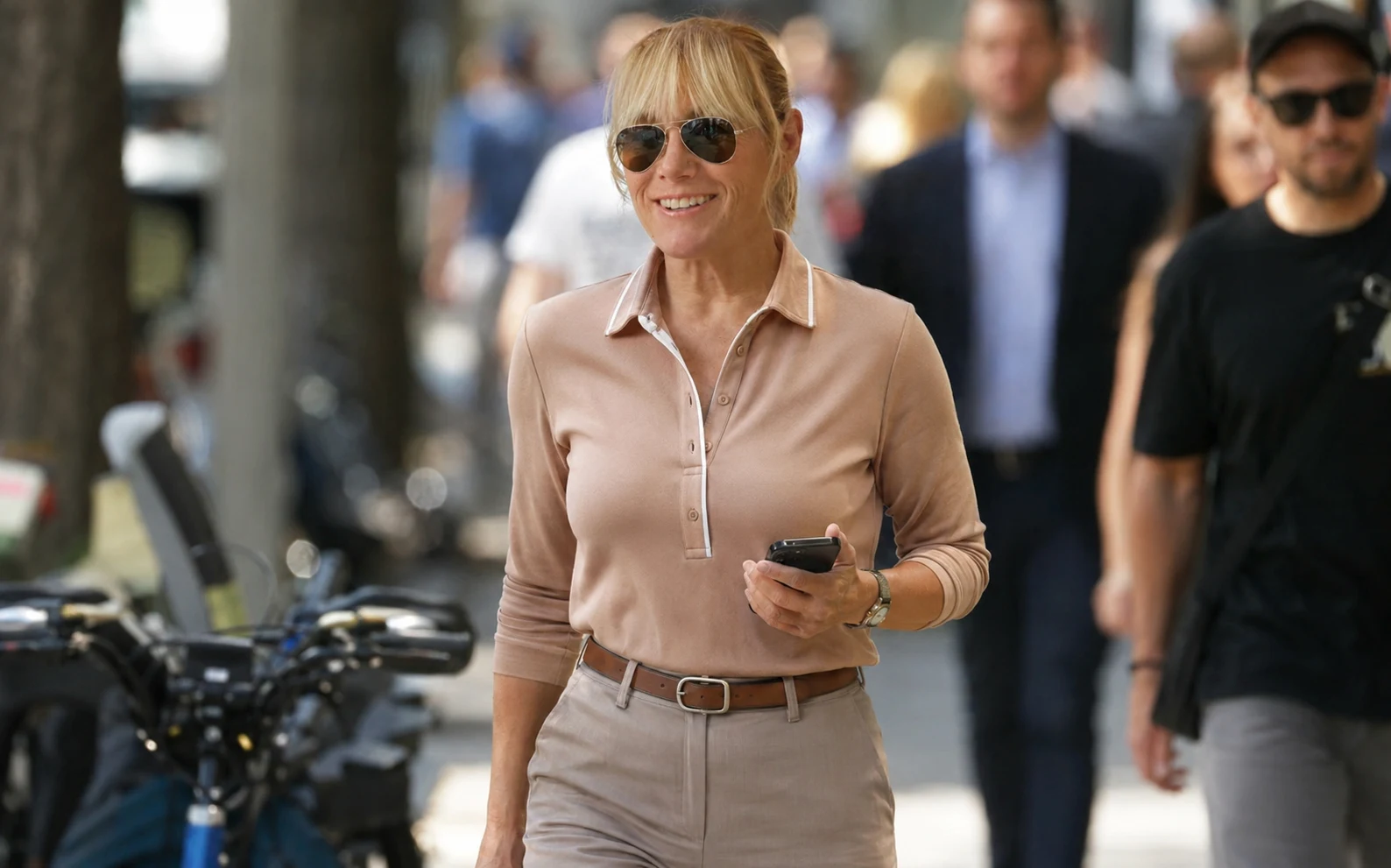
Sally McNeil is one of the most controversial figures in American true crime history. A former U.S. Marine, competitive bodybuilder, and convicted killer, she became widely known after the 1995 shooting death of her husband, fellow bodybuilder Ray McNeil. Decades later, her story reached a global audience through Netflix’s Killer Sally, reigniting debate over domestic violence, self-defense, and the criminal justice system. This article explores Sally McNeil’s life, military career, bodybuilding journey, criminal case, prison sentence, release, and where she is today, using verified public information to separate documented facts from speculation.
Who Is Sally McNeil? A Short Biography
| Field | Details |
|---|---|
| Full Name | Sally Marie McNeil (née Dempsey) |
| Date of Birth | September 30, 1960 |
| Age | 65 (as of 2026) |
| Birthplace | Allentown, Pennsylvania, United States |
| Nationality | American |
| Profession | Former U.S. Marine, Bodybuilder |
| Years Active | 1980s–1995 (bodybuilding) |
| Education | Attended East Stroudsburg State College (did not graduate) |
| Famous For | Bodybuilding career and the 1995 murder case involving Ray McNeil |
| Height | Approximately 5 ft 3 in (1.60 m) |
| Marital Status | Married |
| Spouse | Norfleet Stewart (married 2022); previously married to Ray McNeil |
| Children | Three |
| Source of Income | Former military service, bodybuilding, media appearances |
Early Life and Education
Sally Marie Dempsey was born on September 30, 1960, in Allentown, Pennsylvania. She has publicly described her childhood as difficult, saying she grew up in an environment marked by violence and instability. Those early experiences later became part of the discussion surrounding her criminal trial and public interviews.
During high school, Sally participated in athletics, including swimming, diving, and track and field. She later enrolled at East Stroudsburg State College with the goal of becoming a physical education teacher. Financial difficulties prevented her from completing her degree, leading her to pursue a different path.
Military Career and Introduction to Bodybuilding
Following family tradition, Sally joined the United States Marine Corps. She served at Camp Pendleton in California and eventually reached the rank of sergeant.
While serving in the Marines, she discovered bodybuilding. Her disciplined military background complemented the demanding training required for competitive fitness, and she quickly began participating in amateur competitions.
By the late 1980s, Sally had earned victories in U.S. Armed Forces bodybuilding competitions and gained recognition for her muscular physique. She also participated in competitive wrestling videos and muscle worship sessions, a niche industry that provided significantly higher income than traditional bodybuilding competitions.
Marriage to Ray McNeil
Sally met fellow Marine and competitive bodybuilder Ray McNeil in 1987. The two married only a few months after meeting.
Initially, they appeared to be one of bodybuilding’s rising couples. Ray pursued professional bodybuilding while Sally worked to support their household financially.
Their marriage, however, later became the subject of intense public scrutiny. Sally consistently maintained that Ray subjected her to years of physical and emotional abuse. During her trial and in later interviews, she described repeated assaults and stated that she feared for her life.
Her children also publicly described witnessing violence inside the home, although prosecutors challenged several aspects of Sally’s version of events during the murder investigation.
The 1995 Shooting That Changed Everything
On Valentine’s Day in 1995, Sally McNeil shot Ray McNeil twice with a shotgun inside their Oceanside, California home.
Ray died from his injuries shortly afterward.
Sally immediately admitted to the shooting but argued that she acted in self-defense after years of domestic abuse. Prosecutors presented a different theory, arguing that the physical evidence did not support an immediate threat at the moment of the shooting.
The case quickly attracted national media attention because both Sally and Ray were well-known within the bodybuilding community.
It also became one of the earliest high-profile criminal cases to focus heavily on the legal implications of battered woman syndrome and whether prolonged domestic abuse could affect a person’s perception of imminent danger.
Trial, Conviction, and Appeals
Sally McNeil’s murder trial began in 1996.
Her defense argued that she suffered from battered woman syndrome after years of alleged abuse. Expert witnesses testified that prolonged domestic violence could significantly influence a victim’s response during life-threatening situations.
Prosecutors countered that forensic evidence suggested Sally fired one shot, reloaded, and then fired again, arguing that this sequence weakened her self-defense claim.
The jury ultimately found Sally guilty of second-degree murder.
She received a sentence of 19 years to life in prison.
Over the following years, she pursued numerous appeals. Although one federal appeals court temporarily overturned her conviction, the decision was later reversed, and her original conviction remained in place.
Life in Prison
Sally spent approximately 25 years in prison at the Central California Women’s Facility.
Throughout her incarceration, she continued to maintain that she acted in self-defense.
Her case gradually attracted renewed interest from advocates focused on domestic violence, who argued that abuse victims were not always fully understood by the legal system during the 1990s.
The broader conversation surrounding domestic violence evolved considerably during the decades Sally remained imprisoned.
Release on Parole
In 2020, the California Department of Corrections and Rehabilitation granted Sally McNeil parole after she had served roughly 25 years.
Following her release, she settled in Northern California.
She has since spoken publicly about rebuilding her life after prison and reconnecting with family members.
Public reports also indicate that she married Norfleet Stewart in 2022 after meeting him through a veterans’ support program.
Netflix’s Killer Sally
Interest in Sally McNeil surged again after Netflix released the three-part documentary Killer Sally in 2022.
Directed by Nanette Burstein, the documentary combines archival footage, interviews with Sally herself, family members, investigators, attorneys, and others connected to the case.
Rather than presenting a simple true crime narrative, the series examines multiple perspectives, including allegations of domestic abuse, steroid use in professional bodybuilding, media sensationalism, and the legal standards surrounding self-defense.
The documentary introduced Sally’s story to a new generation of viewers and sparked renewed discussion about how abuse cases are handled in the criminal justice system.
Why Sally McNeil’s Case Still Matters
The Sally McNeil case continues to generate debate because it sits at the intersection of several complex issues.
These include:
- Domestic violence and survivor testimony
- Self-defense laws
- Battered woman syndrome
- Media influence on criminal trials
- Steroid use within competitive bodybuilding
- Gender differences in perceptions of violence
Legal experts, journalists, and criminologists still reference the case when discussing how courts evaluate claims of long-term abuse.
Although opinions remain divided regarding the verdict, the case has become an important part of conversations surrounding domestic violence and criminal law.
Frequently Asked Questions
Who is Sally McNeil?
Sally McNeil is a former U.S. Marine and competitive bodybuilder who was convicted of second-degree murder after fatally shooting her husband, Ray McNeil, in 1995. Her story gained renewed public attention following Netflix’s 2022 documentary Killer Sally.
Is Sally McNeil still in prison?
No. Sally McNeil was granted parole in 2020 after serving approximately 25 years in prison. She now lives a private life in Northern California and has remarried.
Did Sally McNeil claim self-defense?
Yes. Throughout her trial and subsequent interviews, Sally consistently maintained that she shot Ray McNeil in self-defense after enduring years of domestic abuse. Prosecutors disputed that account, and the jury ultimately convicted her of second-degree murder.
What is Killer Sally about?
Killer Sally is a three-part Netflix documentary released in 2022. It explores Sally McNeil’s life, bodybuilding career, marriage to Ray McNeil, the fatal shooting, her criminal trial, and the broader issues surrounding domestic violence and self-defense.
What happened to Ray McNeil?
Ray McNeil was a competitive bodybuilder and former Marine. He died on February 14, 1995, after being shot twice by Sally McNeil during an argument at their California home. His death led to one of the most widely discussed criminal cases in bodybuilding history.
Conclusion
Sally McNeil remains one of the most debated figures in modern true crime. Her life story combines military service, competitive bodybuilding, allegations of domestic abuse, a high-profile murder trial, decades of imprisonment, and eventual parole. While the legal case concluded with a conviction for second-degree murder, public discussion continues over the circumstances surrounding the shooting and the challenges faced by abuse survivors within the justice system. Renewed interest generated by Killer Sally has ensured that her story remains part of broader conversations about domestic violence, self-defense, and how complex criminal cases are understood by both courts and the public.
Read About : prince jackson